
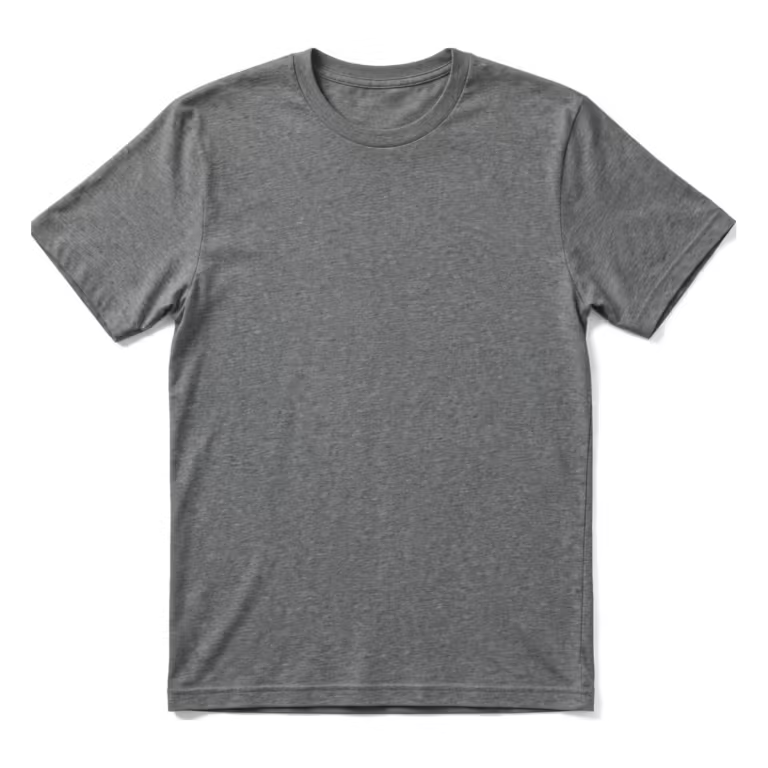
Most buying guides for blank t-shirts tell you to check certificates, ask for samples and compare prices. That advice is not wrong, it is just not where blank t-shirt orders actually fail. Blanks fail quietly: a body that twists after washing, a collar that gives up in a month, a reprint run that does not match the first batch of colour. None of those problems show up in a certificate folder. All of them show up if you know which garment-level questions to ask before you commit.
We have sewn blank tees in Dhaka for decades, for print shops, merch brands and private labels. Below is the exact set of checks we would run if we were buying blanks from someone else - the same checks our own production is measured against. If you want the short version of what we make while you read, our blank t-shirts for USA brands, printers and resellers are built to pass every test on this page.
Start With Fabric: GSM Is Only Half the Story
Buyers usually open with one number - GSM - and stop there. GSM matters, but two fabrics at the same GSM can wash, print and wear completely differently. Ask about construction and yarn as well.
- 150-165 GSM - light and economical; fine for one-day event and promo tees, too thin for a retail label that washes weekly
- 170-185 GSM - the working range for most retail and merch blanks; holds shape, takes print well, still comfortable in warm weather
- 190-220 GSM and above - heavyweight blanks for streetwear and premium private label; drape is stiffer, freight cost per piece rises
- Carded vs combed vs ring-spun cotton - carded is the budget option with a slightly rough hand feel; combed and ring-spun give the smooth, even surface that screen printers and DTG machines need
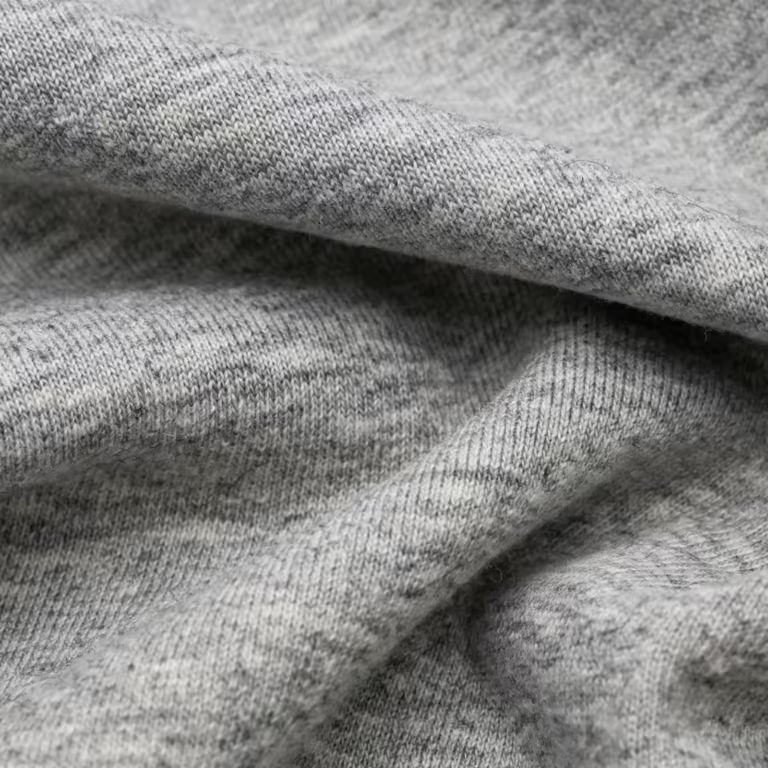
- Single jersey is the standard knit for blanks - ask whether the fabric is bio-washed or enzyme washed, because that finish is what keeps the surface smooth and the size stable after the first wash
- Cotton-poly and CVC blends - worth asking about if your market wants heather colours or extra durability at a lower price point
A factory that answers GSM questions with a single number and nothing else has told you something. A factory that asks what the tee is for - print, retail, workwear - before quoting a fabric is the one that will get the fabric right.
| GSM range | Feel and weight | Best for |
|---|---|---|
| 150-165 | Light, soft, low cost per piece | Event tees, giveaways, one-day promotions |
| 170-185 | Mid-weight, holds its shape | Retail blanks, merch lines, print shop stock |
| 190-220 | Heavy, structured drape | Streetwear, premium private label |
| 220+ | Very heavy, almost sweatshirt-like | High-end blanks sold on weight as a feature |
Run the Three Wash Tests Before You Judge Any Sample
Never approve a blank t-shirt sample as it arrives. Wash it first - three times, the way your customer will - and then judge. Three measurements predict nearly every return complaint.
- Shrinkage, length and width - measure the sample flat before washing and after the third wash; ask the factory what tolerance it works to and hold it to that number in writing on the order sheet
- Spirality (body twist) - after washing, lay the tee flat and check whether the side seams have rotated toward the front or back; twist is the classic blank-tee defect and it comes from knitting and finishing, not from sewing
- Colourfastness - rub a wet white cloth on dark colours and check the wash water on the first rinse; strong bleeding at sample stage means complaints at retail stage
Keep one washed sample, signed and dated, as the master. Every later argument about quality ends quickly when both sides hold the same master sample.
Build Details That Separate Retail Blanks From Promo Blanks
Two tees in the same fabric can sit in different price bands purely because of how they are built. These are the details to name in your tech pack or sample request.
- Shoulder-to-shoulder tape - keeps the neckline and shoulders from stretching out of shape; promo tees often skip it
- Side-seamed vs tubular body - side seams give a shaped, retail fit and a straight print panel; tubular bodies are cheaper and twist more visibly
- Collar construction - a rib collar with a touch of elastane, topstitched down, survives washing; a plain self-fabric collar sags fast
- Double-needle stitching on sleeves and bottom hem - the standard your customers will unconsciously compare against the tees already in their drawer
- Stitch density - ask for it, and check the sample by gently stretching a seam; open, loose stitching is where seams fail first
Think About Your Printer Before You Think About Price
If the blank is going under a screen or a DTG print head, the cheapest tee can become the most expensive one the day prints start failing.
- Print surfaces need low pilling and a smooth, even face - combed or ring-spun yarns, plus a bio-wash finish, are the safe route
- For DTG, ask how the finish interacts with pre-treatment; heavy silicone washes can fight the ink
- For screen printing, check that the fabric lies flat and stable - a body with spirality prints crooked no matter how good the printer is
- Order one extra sample per colour purely as a print test, and judge the washed print, not the fresh one
Colour Continuity Is the Real Reorder Test
First orders are easy to please. Blank programs live on reorders - and reorders live or die on whether the navy, the heather grey and the white come back the same as last season.
- Ask how the factory controls dye lots and whether it keeps lab dips and a master sample from your first order on file
- Approve colours under a standard light, and keep your own sealed master set - one per colour
- Whites deserve their own question: are they optic white or natural white, and is that consistent between the body fabric and the collar rib?
- Heather and melange shades drift more than solid colours - put tighter approval steps on those
What the Price of a Blank Actually Pays For
When two quotes for the same-looking tee differ, the gap is rarely profit. It is a list of quiet decisions, and it helps to know which ones you are paying for - and which ones you are silently not getting.
- Yarn quality - combed and ring-spun cotton cost more than carded, and they are the difference between a smooth print surface and a fuzzy one
- Weight - every extra 10 GSM is extra cotton in every single piece; heavyweight blanks cost more because they literally contain more shirt
- Washing and finishing - bio-wash, shrinkage control and softening are extra processes with real cost, and skipping them is the easiest way to quote low
- Build - shoulder tape, side-seamed cutting, rib collars and double-needle hems all add minutes and material per piece
- Dyeing discipline - holding colour across lots takes better dyes, tighter process control and slower approvals
- Inspection and packing - measured, checked and packed retail-ready costs more than bundled unchecked goods
None of this means the highest quote wins. It means you should be able to ask any factory, line by line, where its price sits on this list - and a good factory will walk you through it without blinking. If the cheapest quote cannot explain itself, the missing money is coming out of your product somewhere.
Eight Questions to Ask Any Factory Before Paying for Samples
- Which GSM and yarn do you suggest for my use - print, retail or promo - and why?
- What shrinkage and spirality tolerance do you work to, and can I put it on the order sheet?
- Is the body side-seamed or tubular, and does the shoulder carry tape?
- How do you hold colour between dye lots on reorders?
- Can the first run start small while we test the market? (Our own low MOQ program exists exactly for this stage.)
- What does your inline and final inspection actually check on blanks - measurements, twist, shade bands?
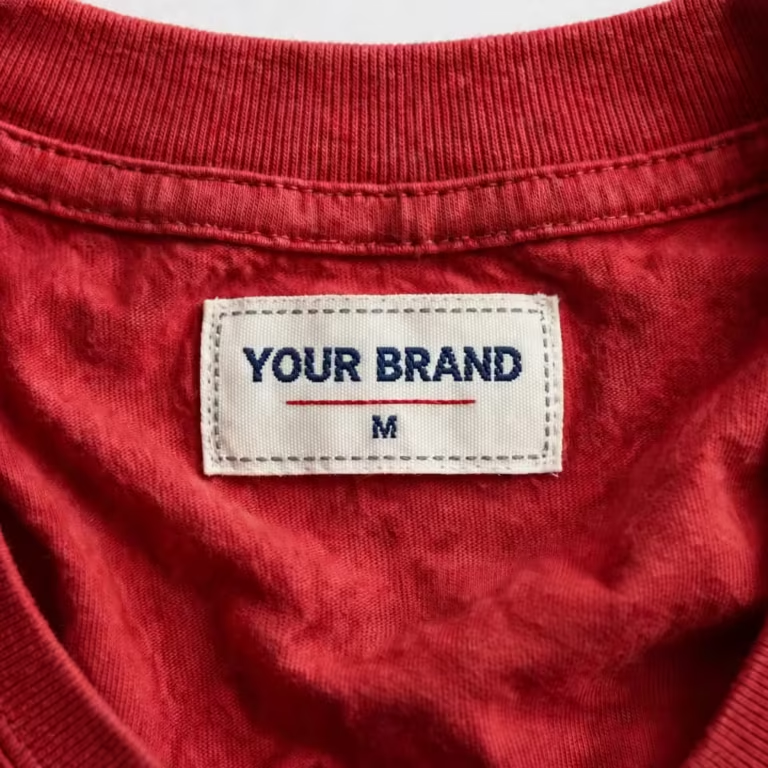
- Can you sew in my woven label and pack retail-ready under my brand?
- What are the payment terms and the realistic lead time after order confirmation - not the best case, the normal case?
The answers matter less than how they are answered. Specific numbers, named checks and honest lead times are what a serious factory sounds like.
How Blank T-Shirts Run at Our Dhaka Factory
Our blank program is sewn in Dhaka with the checks above built into the routine: fabric rested and inspected before cutting, shrinkage and twist measured on washed pieces from every batch, shade checked lot by lot against the buyer's master, and collars, shoulder tape and hems built to the retail pattern rather than the promo one. Private label work - your woven neck label, hang tags and packing - runs on the same lines.
If you are comparing factories right now, send us the spec you already have and we will quote against it honestly, including where we think the spec can save money without costing quality. Start from our blank t-shirt range and prices, add the styles you like to the inquiry basket, or simply write to us - a short message with your target GSM, colours and quantity is enough to get a real answer.