
Denim Production Where Wash and Fit Are Controlled Together
Most garment faults are visible the moment a piece comes off the line. Denim faults hide until the wash - a shade band, a twisted leg, a waist that has grown a centimetre - and by then the whole order is sewn. Our denim work is organised backwards from that fact: the wash is approved first, shrinkage is measured before cutting, and sewing is checked against the washed standard, not the unwashed one. The sections below walk through the styles, fabrics, washing and fit control that make up the family.
1. The Denim Styles We Produce
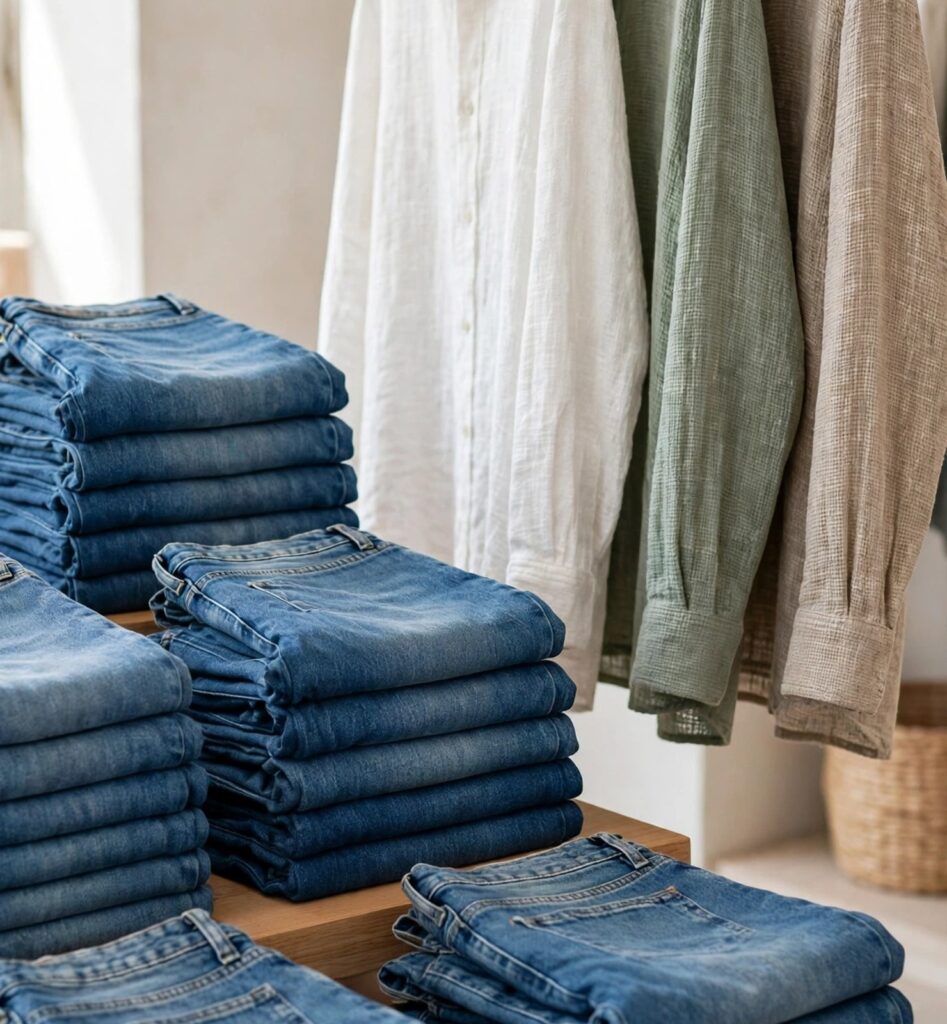
The family is built around the five-pocket jean and the pieces that sell beside it:
- Jeans pants - men's, ladies and unisex fits, from slim and skinny cuts through regular and relaxed.
- Denim pants and trousers - five-pocket and chino-style constructions in denim weights.
- Denim jackets - classic trucker shapes and fashion variations, lined or unlined.
- Denim shirts and tops - lighter weights and chambray for the shirt end of the range.
- Denim skirts - mini, midi and long cuts for ladies programmes.
Buyers often run one jean fit as the anchor and build the rest of the denim story around it - same fabric, same wash family, several styles. Because the fabric and wash are shared, the range reads as one story on the rail while the order stays simple to control at our end.
2. Denim Fabrics: Weights, Stretch and Sourcing
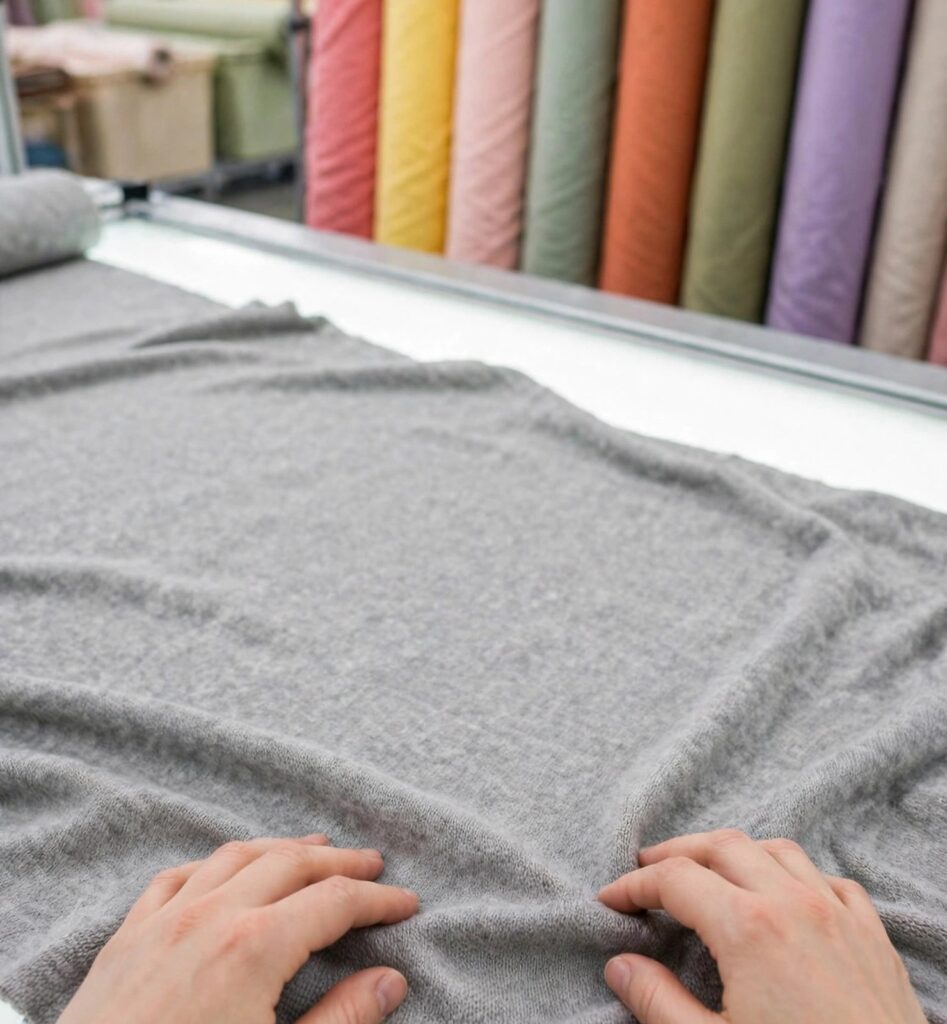
Denim is specified by weight, weave and stretch, and each choice changes what the finished garment does. Workhorse jeans sit in the mid and heavy weights with a small elastane content where the fit needs recovery; shirts and summer styles use the light end of the range. Rigid 100 percent cotton denim is run for buyers who want a traditional break-in, and cotton-polyester blends where easy care matters more.
Weight is quoted and checked in ounces, the measure the denim trade works in, and the choice is a commercial one as much as a technical one: heavier cloth costs more per garment, wears longer and suits a premium position, while lighter denim opens the price points where volume sits. We set the options out plainly at costing stage, with the wash result for each, so the buyer picks the cloth with the finished garment in view rather than a fabric swatch alone.
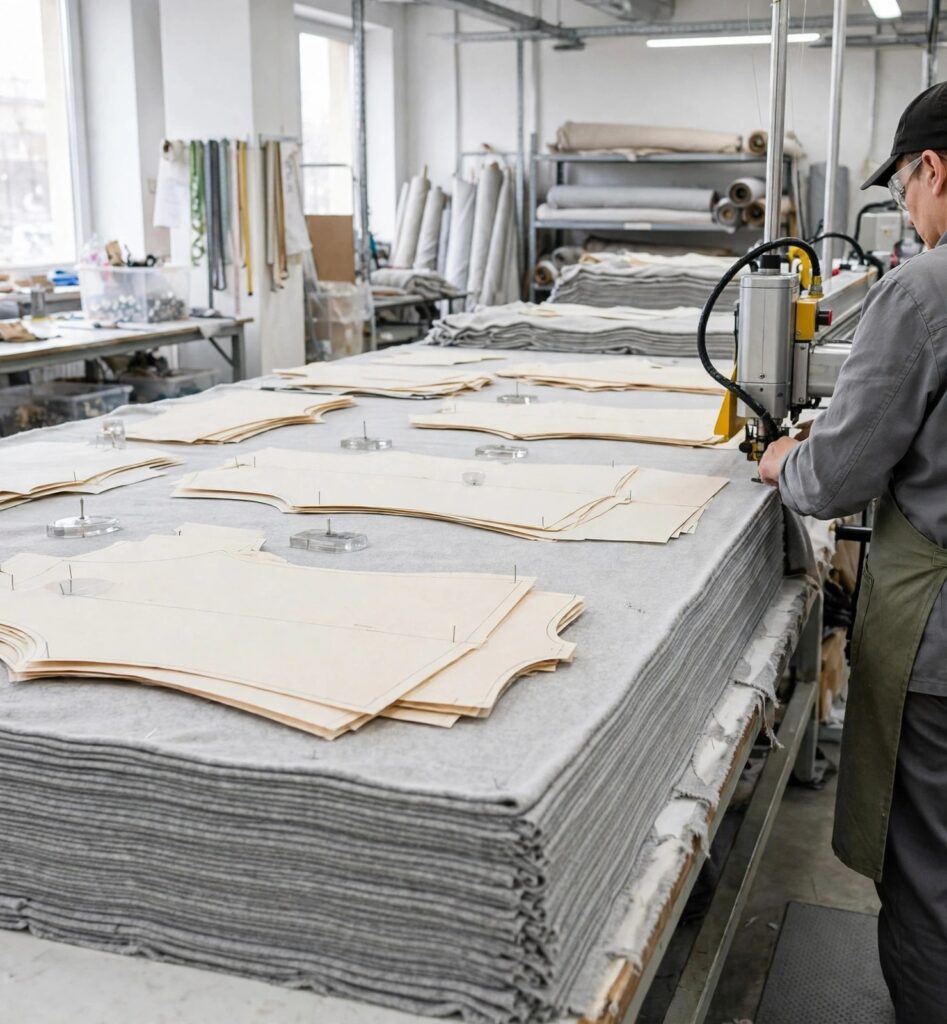
Fabric is booked against the wash plan, not separately from it, because the same cloth in two washes is effectively two fabrics. Shrinkage is tested per fabric and per wash before cutting, and the pattern is set from the washed shrinkage figure - that single discipline is responsible for most of the difference between jeans that measure correctly out of the packet and jeans that do not. Our fabric sourcing page covers how cloth is bought and checked, and Bangladesh's wider garment industry, of which denim is a growing part, is represented by BGMEA, the national manufacturers association.
3. Washing: Where a Denim Order Is Won or Lost
The wash decides the shade, the softness and a fair part of the fit, so it is approved like a product in its own right. Before bulk, a wash standard is produced and signed off - a real garment or leg panel in the exact wash the order will carry. Stone washing, enzyme washing and bleach work for light shades are the everyday routes; hand finishing such as scraping and whiskering is sampled and approved the same way where a style calls for it.
During bulk, washed pieces are checked against that standard in batches, because wash shade drifts gradually and a drift caught at the first batch costs a correction, while the same drift caught at final inspection costs the order. Garments that fall outside the shade band are separated at the wash stage, never mixed quietly into the packing.
One honest note on washing: no two wash loads are chemically identical, which is why the standard is a band, not a single garment to match perfectly. The band is agreed with the buyer at approval - tight enough that garments on one rail look like one product, realistic enough that production is not rejected for differences no customer would ever see. Getting that band right, together, is most of what wash approval is for.
4. Fit and Grading on Denim
Denim fits are unforgiving: a centimetre at the waist or a twisted leg seam is immediately visible and immediately felt. Fits are graded from the buyer's size chart, size sets are sewn and washed before bulk - washed, because that is the state the customer buys - and the measurements are checked after washing against the chart.
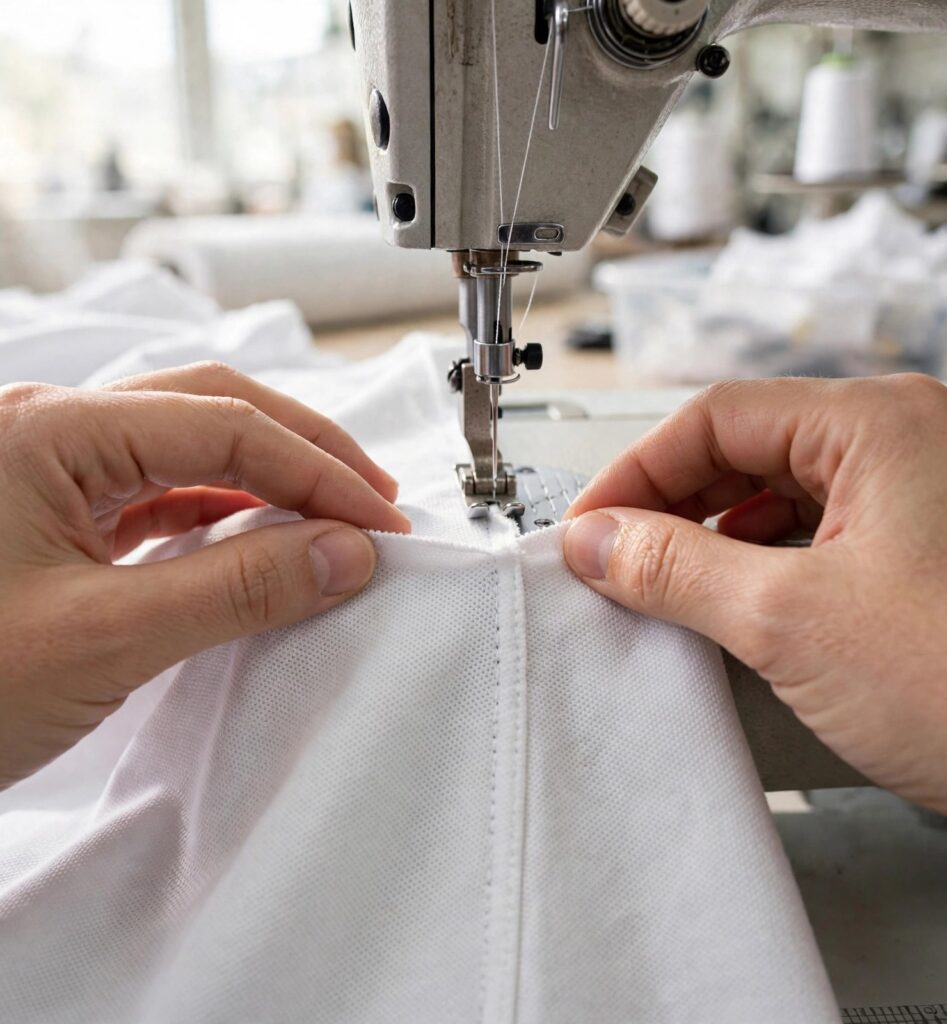
Leg twist, the classic denim fault, is controlled at cutting and sewing rather than inspected for afterwards: panel alignment and seam discipline on the line, checked on the first pieces off each batch. When a buyer adjusts a fit between seasons, the change goes onto the pattern and the file, so the adjusted fit is what the next order is cut from.
Rise, leg opening and outseam are the measurements customers feel first, so they are the ones checked most often during production, on washed garments pulled from each batch rather than on the sample alone. A fit that only measures correctly before washing is not a fit - it is a draft of one.
5. Checking Denim Before It Is Packed
Finished denim passes the same staged checking as the rest of the factory, with denim-specific points added: shade consistency within each size and across the order, waist and leg measurements taken after washing, hardware - buttons, rivets and zips - tested for firm attachment, and pocket and bartack strength checked at the stress points.
Packing follows the buyer's ratio and fold standard, with wash and size identified on the carton so a distribution centre can split the order without opening and re-sorting. The checking approach across all families is described on our quality control page.
6. Order Quantities for Denim Programmes
Denim programme quantities are agreed per style and wash with our team, because the workable minimum depends on the fabric and the wash operations a style needs - and in denim, colour usually means wash, so one fit in three washes already builds most of an order. That structure suits how denim actually sells: a proven fit carried in a light, a mid and a dark wash, refreshed season by season. Payment runs on the house terms, 40 percent by wire transfer with the order and 60 percent before shipment, or an irrevocable, transferable letter of credit at sight, confirmed in writing before production starts.
New denim buyers usually start with one fit in two washes to prove the numbers, then widen. That is a sensible way to buy denim: the first order tests the wash standard, the shrinkage routine and the grading all at once, and once those three are proven on your fit block, adding styles and washes is straightforward administration rather than new risk.
Markets We Ship Denim and Jeans To
Denim sells everywhere, but the fits, washes and price points each market wants are noticeably different. These are the patterns behind most of our denim programmes.
Denim Programmes for USA Jeans Brands
USA buyers anchor denim volume: core five-pocket fits in several washes, run as standing programmes with seasonal wash additions. Stretch fits carry a large share, and wide size runs are standard, which the combined order structure handles comfortably.
Fashion Denim for UK Clothing Brands
UK brands buy denim closer to the fashion end - current silhouettes, seasonal washes and denim pieces beyond the basic jean, including jackets, skirts and co-ord styles. Wash sampling carries extra rounds on these programmes, and speed at the sample stage matters.
Denim Orders for German Retail Buyers
German retail buyers spec denim by measurement and composition, and check washed measurements against the chart at delivery. Our washed size-set routine was built for exactly that way of working: the numbers agreed at sampling are the numbers the bulk is measured against.
Core Jeans Programmes for Canadian Importers
Canadian importers run dependable core programmes - regular and relaxed fits, mid and dark washes, heavier weights for the cold season. These are repeat orders by nature, and the wash standard and pattern stay on file so each season's delivery matches the last.
Washed Denim Ranges for French Buyers
French buyers lean into wash character: stone and light washes, softer hand-feel, and jeans styled to sit with a fashion range rather than a basics wall. Ladies denim, including skirts and tops, takes a larger share of these orders than most markets.
Denim Basics for UAE Retail Importers
UAE importers take denim as retail basics across men's and ladies fits, in light and mid washes suited to a warm climate, packed for mall and high-street distribution. Programmes repeat steadily, with fits held constant and washes refreshed.
When you are ready to compare factories, our ranked list of the top 10 jeans manufacturers in Bangladesh profiles the makers buyers shortlist most, with a note on what each one is genuinely known for.