



The Siatex Story: Nearly Four Decades of Made-to-Order Clothing
Factories are usually described by their machinery. Buyers who have worked with one for years describe it differently - by whether the samples arrive when promised, whether the bulk matches them, and whether the same person answers the phone. This page is our own account of who we are: where we work, what we make, how an order is handled here, and the terms it runs on. Everything claimed on it can be checked against the rest of the site, or in person at the factory.
1. Where We Work: A Dhaka Factory and a Gulshan Office
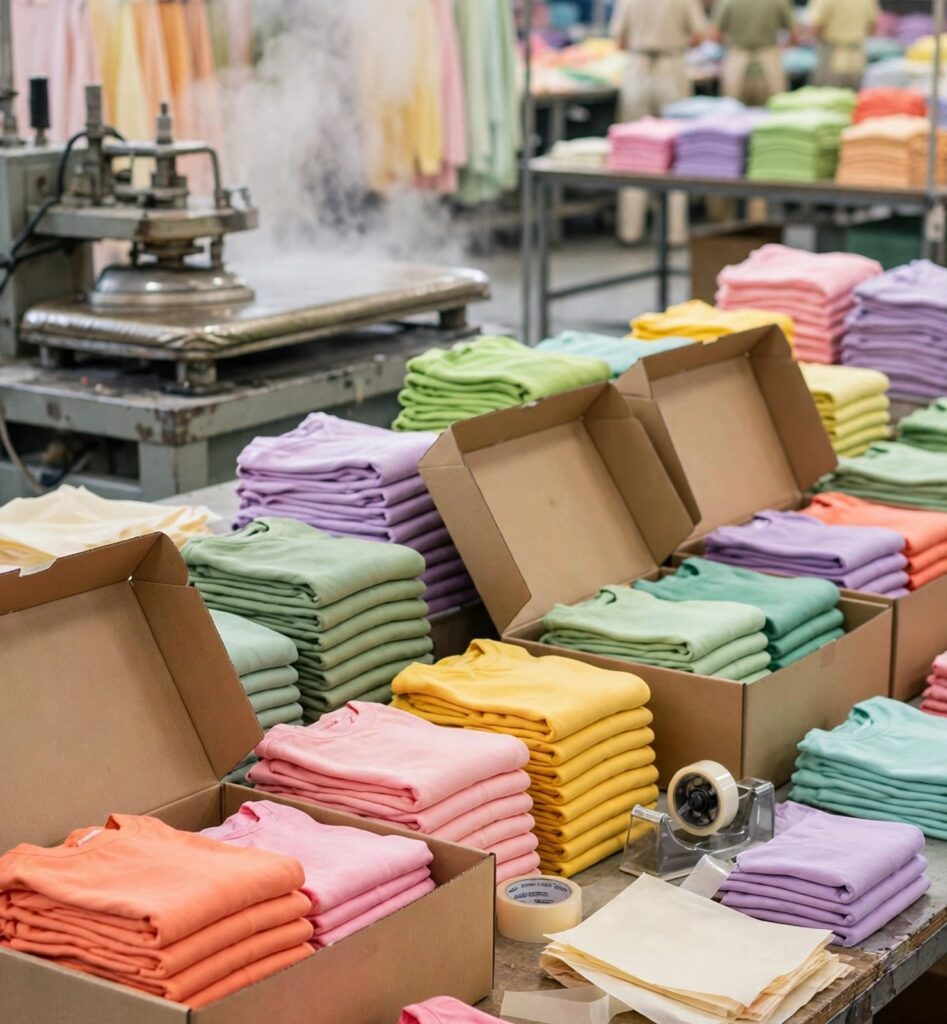
Production runs in our own factory in Dhaka, where cutting, sewing, washing for denim, printing, embroidery, finishing and packing are managed as one operation rather than bought in piecemeal. Keeping those stages under one management is a deliberate choice: when a printed panel, a wash standard or a label sits in the same building as the sewing line, problems are found by our own people at sample stage instead of by the buyer's inspector at the end.
The company began in 1987, when Bangladesh's garment trade was young and most orders were simple basics sewn to a buyer's sample. The trade has grown more demanding since - more product families, tighter specifications, documented checking - and the factory has grown with it, adding decoration, washing and specialist lines stage by stage rather than by acquisition. What has not changed is the ownership of the work: orders are still made here, by our own lines, under our own name.
The commercial office is at House #8, Road #6, Niketon, Gulshan-1, Dhaka-1212, where the merchandising team works and buyers are received. Buyers visiting Bangladesh are welcome to see production for themselves - our factory tour page sets out what a visit covers, from the fabric store to the packing hall, and visits are arranged through the merchandiser handling your file.
2. What We Make: Six Families of Garments
The factory's work divides into six families, each with its own lines and checking habits: knitwear, denim and jeans, workwear and uniforms, sportswear and activewear, kids and baby wear, and underwear and sleepwear. Knitwear is the largest part of the output - t-shirts, polos, hoodies and sweatshirts run all year - and the full map of the range is set out on our expertise page, with the styles themselves in the product catalogue.
Everything is made to order. We do not carry stock garments waiting for a buyer, and we do not sell other factories' production under our name. A buyer's order is sampled, approved and produced against their specification, with their labels and packaging applied as part of the programme, as the private label and OEM page describes in detail.
3. How We Work with Buyers
Each buyer's file is held by one merchandiser, from the first sample request to the final carton. That single point of responsibility is the oldest habit in the company and the one buyers mention most: a question about a label position and a question about a delivery date are answered by the same person, working from the same record.
The working pattern around that person is fixed. Styles are developed and approved as samples before bulk, as our sampling process page explains; changes to a live order are agreed in writing before the line acts on them; and checking runs at fabric, inline and final stages, as set out on the quality control page. Buyers new to ordering from Bangladesh can read the whole sequence end to end on the how it works page.
Communication follows the same single-file logic. Progress on a live order is reported by the merchandiser holding it - cutting started, sewing under way, checking booked, cartons closed - rather than discovered by the buyer asking. Buyers in time zones half a day away wake up to a written update instead of a question, which is how a Dhaka factory should behave towards a customer in Toronto or Texas.
4. Order Quantities and Payment Terms
Order quantities are agreed with our team style by style, because the workable minimum for a garment depends on its fabric and the operations it needs - and styles and colours can be combined inside one order, the structure that lets a smaller brand build a full range in one programme. The detail of how quantities combine is on the MOQ and pricing page.
Payment runs on two standard routes, set out in full on the payment terms page: by wire transfer, 40 percent with the order at confirmation and 60 percent before shipment - or after the buyer's pre-shipment inspection where one is asked for - or by letter of credit, irrevocable and transferable, payable at sight. Terms are confirmed in writing before production starts, on every order, so the money side of a programme is never a moving part of the delivery schedule.
5. Why Buyers Stay with One Factory
Garment buying is a repeat business, and factories keep buyers the plain way: by making the second order easier than the first. Once a buyer's first programme has run here, their patterns, fabric records, shade standards, label artwork and size gradings are on file, checked and proven. The next order starts from that standing position - samples come faster, approvals are shorter, and the bulk is checked against a garment the buyer's own customers have already accepted.
That file discipline is also why we would rather decline a specification we cannot hold than win an order by agreeing to one. A factory's name travels with its failures further than with its successes, and nearly forty years in one trade, in one city, is built out of orders that arrived as promised. If you are weighing up factories for a programme, the honest test is a sample: send a style, judge the garment, and let the work introduce itself.
Compliance and working standards sit behind all of this, covered on the compliance and quality page. Buyers audit factories before placing serious programmes, and they should: the visit, the documents and the floor itself tell a buyer more in a day than a website can in a month, which is why both are open to any buyer with a genuine programme in mind.
6. Talking to Us About an Order
An enquiry here needs very little formality: a style picture or tech pack, a target quantity and the market the garments are for will start a costing. From there the merchandising team will come back with fabric options, a price and a sampling plan, and the conversation can move at whatever speed your range planning needs. You can reach the team through the contact page, or start from a catalogue style and ask for it in your specification - either way, the reply comes from the merchandiser who would hold your file if the order is placed.
Markets Our Buyers Ship To
Our garments are sold under buyers' own labels in markets across North America, Europe and the Gulf. The notes below describe where the programmes built here usually land.
Programmes Landing in the USA
The USA is the largest single destination for our buyers' programmes: private label knitwear, denim and basics sold through brands and importers who reorder season after season. Shipments are packed and documented to the buyer's routing instructions as a matter of routine.
Ranges Sold in the UK
UK buyers run own-label ranges and uniform programmes from here, with labelling and packing set to their market's requirements. Several of our longest buyer relationships sit in this market, built on knitwear and workwear programmes that repeat across the year.
Buyers Supplying the German Market
German buyers are the most specification-led we work with, and their programmes are documented accordingly: measurements, compositions and labelling agreed in writing and held on file. It is a demanding way to buy and, honestly, a good discipline for a factory to work under.
Importers Serving Canada
Canadian importers order across knitwear, denim and workwear, with heavier layers in the mix for the climate. Programmes repeat on seasonal cycles, and the retained files mean a winter range can be rebooked without re-arguing last year's decisions.
Design-Led Buyers in France
French buyers bring the most design content per order - ladies knitwear, nightwear and fashion denim among them. Sampling rounds run longer on these programmes, and the approved sample carries the order, exactly as it should when the detail is the product.
Distribution into the UAE
UAE buyers take basics and uniforms for retail and service-sector distribution, often as mixed-family programmes in a single shipment. It is a market built on steady reordering, and the standing files behind those programmes are what keep the flow simple.