



How Your Garments Travel From Our Factory to Your Port
This page explains how finished clothing leaves Bangladesh and reaches you: the choice between sea and air freight, what FOB, CFR and CIF actually mean in plain words, how packing and loading are handled, and the documents that travel with the goods. The shipment basis for a specific order is always the one stated on its written order confirmation; this page explains what each basis means so the confirmation is easy to read.
1. Sea Freight and Air Freight
Sea freight is the standard route for garment orders and the one almost every programme runs on. A bulk order fills cartons, the cartons fill a container or share one, and the container sails from Chittagong, the country's main garment port. Sea transit is measured in weeks, not days, and the exact sailing schedule is confirmed when the booking is made. Air freight is the exception used where the calendar demands it:
- A late replenishment.
- A launch date that cannot move.
- Samples and small urgent quantities.
Air transit is measured in days, and the cost per piece is far higher than sea, which is why it is normally reserved for the part of an order that truly cannot wait. Where an order is split, sea carries the bulk and air carries the urgent first quantity, and both legs are agreed at confirmation.
2. FOB, CFR and CIF in Plain Words
These three terms decide who arranges and pays for what between our factory gate and your port. In plain words:
- FOB Chittagong - we produce the goods, clear them for export and deliver them on board the vessel at Chittagong. From loading onwards, the main carriage and the insurance are yours to arrange and pay for, usually through your own forwarder.
- CFR - we do everything under FOB and also pay the ocean freight to your named destination port. Insurance for the sea leg remains yours to arrange.
- CIF - we do everything under CFR and also arrange marine insurance to the destination port, so freight and insurance are both inside the price we quote you.
Under all three, the goods and their documents are prepared the same way; only the split of cost and responsibility changes. If your company always buys on one basis, tell us at quotation stage and the price is built on that basis from the start.
3. Shipping With Your Own Forwarder
Many buyers run their freight through a forwarder or consolidator they already trust, and that arrangement is welcome here. On FOB orders especially, the handover runs in three steps:
- Your nominated forwarder books the vessel and sends us the booking details.
- We deliver the loaded container or the cartons to their custody against that booking.
- We confirm the handover.
Our export desk works with buyer-nominated forwarders every week, including their local Dhaka and Chittagong offices, and the document set is made out exactly as their instructions and the order require. Using your own forwarder changes nothing about how the goods are packed, checked or documented on our side.
For LCL shipments through a buyer's consolidator, the cartons are delivered to the consolidator's Chittagong warehouse against their cargo receipt, and that receipt joins the shipment file so the chain from our packing floor to the container is documented at every hand. Where a forwarder needs the commercial documents in a specific split - originals one way, copies another - that instruction is followed from the order file rather than renegotiated at sailing week, which is when such details are easiest to miss.
4. How Shipments Are Packed and Loaded
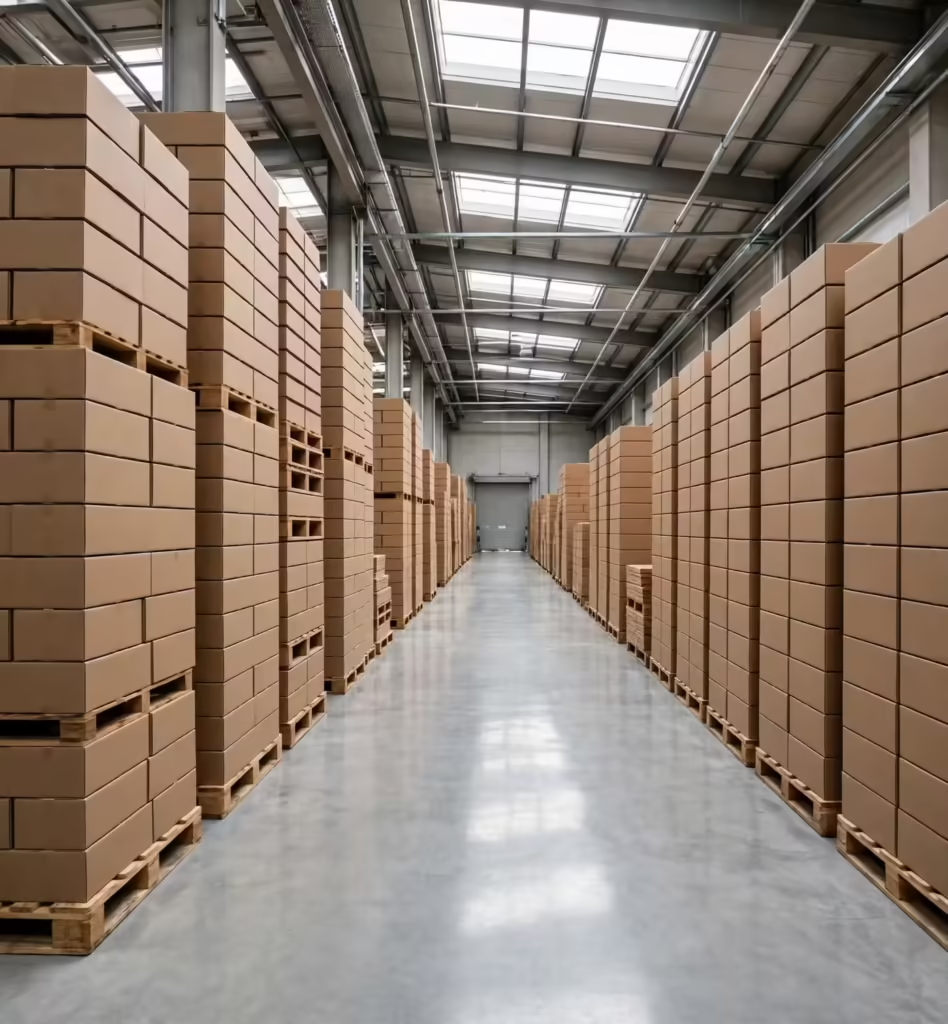
Garments are folded, polybagged where the programme calls for it, and packed into export cartons at the ratio and assortment the order confirms. Every carton run is counted against the packing list as it is sealed, so the list describes the shipment as it actually is rather than as it was planned. The loading side is controlled the same way:
- Shipments move as full containers where the volume fills one, and as shared LCL cargo where it does not.
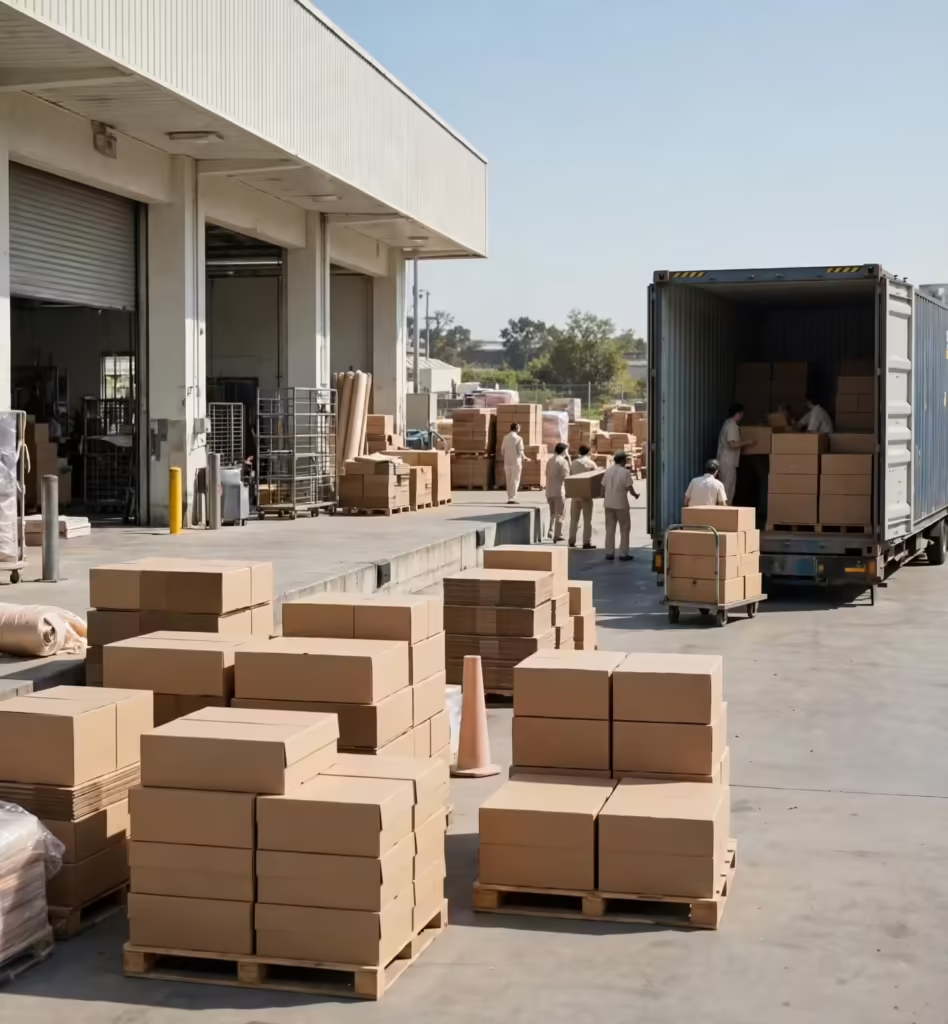
- Container loading is supervised by our team.
- The load is photographed where a buyer or a credit asks for loading evidence.
- The container seal number is recorded on the shipment documents.
Cartons are marked for handling and identification in the way the order and the destination require: the buyer's order reference, the style and the size breakdown travel on the carton marks, so a warehouse at the destination can check cartons against the packing list without opening them. Where a buyer supplies their own carton marks, retail tags or polybag warnings as part of the programme, those are applied during packing as part of the confirmed specification, not improvised at the loading bay.
5. The Shipment Document Set
The documents are prepared to the order's terms and checked before the goods sail, because under documentary trade the documents are what your bank and your customs broker work from. A standard set is:
- Bill of lading - the carrier's document for the shipment as it sails.
- Commercial invoice - matching the order and the shipment values.
- Packing list - agreeing carton by carton with what was loaded.
- Certificates where the order or the credit calls for them - prepared to the same wording.
How these documents interact with payment is explained on our Payment Terms page, including how the set is presented under a letter of credit. If your broker needs a document in a particular form, tell us at confirmation stage and it is built into the set from the start.
6. After the Vessel Sails
Once the shipment is on the water, the document set is sent on for clearance in line with the payment terms:
- Presented through the banks under a letter of credit.
- Or released against the transfer arrangement the order runs on.
- Copies are shared ahead of the originals where your office or broker needs them to prepare clearance, so the cartons are not held up waiting for paperwork at the destination.
Your merchandiser stays the contact for the shipment until it clears, and any question about a sailing, a seal number or a document is answered from the order file.
7. Booking, Consolidation and Timing in Practice
A shipment is booked once production and the final inspection give a firm ready date, because a container booked against a hopeful date helps nobody:
- Full container loads move factory to port as one unit.
- Smaller volumes travel as LCL, consolidated with other cargo through the consolidator's Chittagong facility, which adds handling steps at both ends and is one more reason bulk programmes plan around full containers where the volume allows it.
Vessel space and sailing days are the shipping lines' to give, so the schedule we confirm at booking is the line's schedule, and if a line rolls a booking to the next vessel - something ports do in busy seasons - your merchandiser tells you as soon as we know, with the revised sailing, rather than letting you find out from the documents. None of this changes the qualitative picture this page opened with: allow weeks for the sea leg, days for air, and build the order's calendar around the slower honest number.
Shipping Clothing Orders to the USA
For importers in the USA, most programmes sail to the West or East Coast ports their forwarder nominates, on FOB terms through that forwarder or on CFR and CIF terms where the buyer prefers the freight inside our price. Sea is the working assumption for bulk knitwear and woven programmes alike, with air kept for the urgent first drop of a season. Tell us the port and the basis at quotation stage, and the shipping is built around them from the first costing. Document copies move ahead of the vessel wherever your broker asks for them, so clearance preparation in the USA starts while the goods are still on the water.