
MOQ and Pricing for Clothing Buyers Ordering from Bangladesh
Buyers comparing factories usually ask the same two questions first: what is your minimum, and what will it cost? Both deserve straight answers. This page gives you our minimum order quantities exactly as they stand, explains why they sit where they do, and opens up the way a price is put together - so when a quotation reaches you, nothing in it is a mystery.
1. The Minimum Order: 3,000 Pieces per Order
Our minimum is 3,000 pieces per order. That figure is not a sales hurdle; it is where a made-to-order run becomes workable. Fabric is bought and, where your colours need it, dyed against your order. Cutting tables and sewing lines are set up for your styles. Below a certain volume, those fixed steps cost the same to run but are spread over too few garments, and the honest choices are a poor price or a cut corner. We would rather set a clear floor than do either.
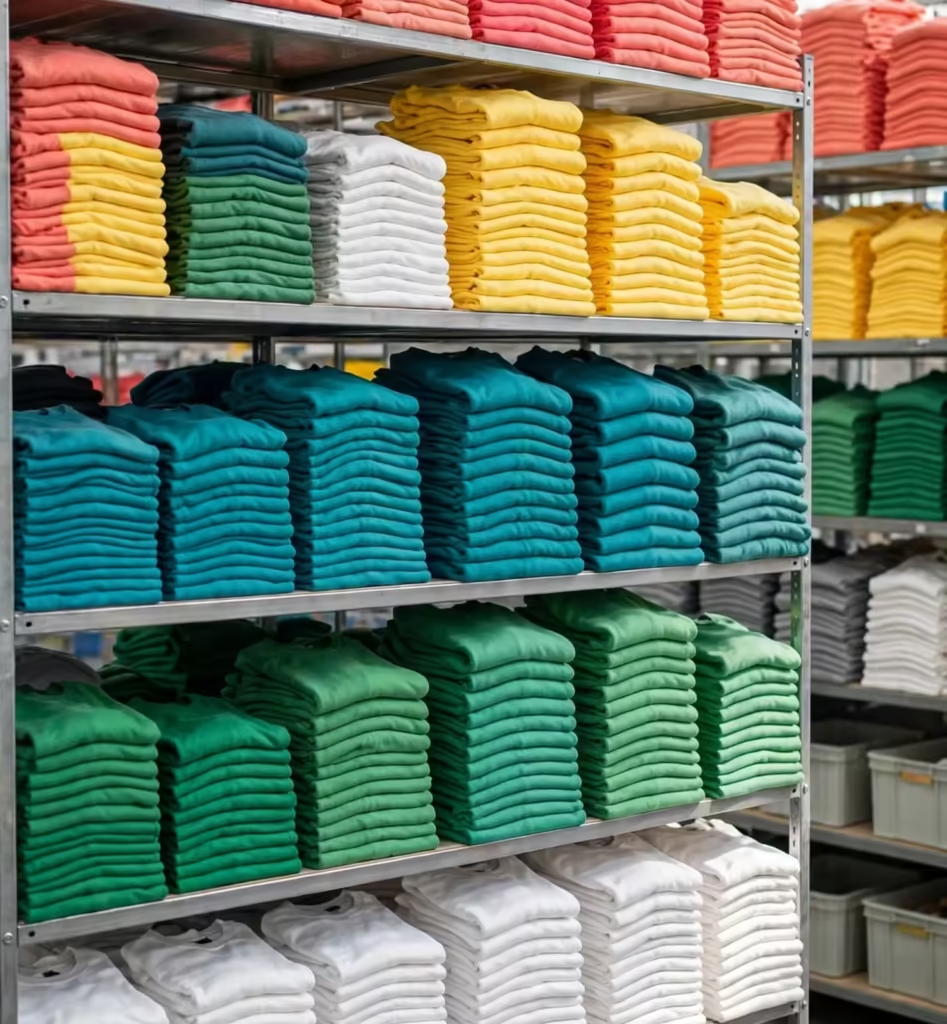
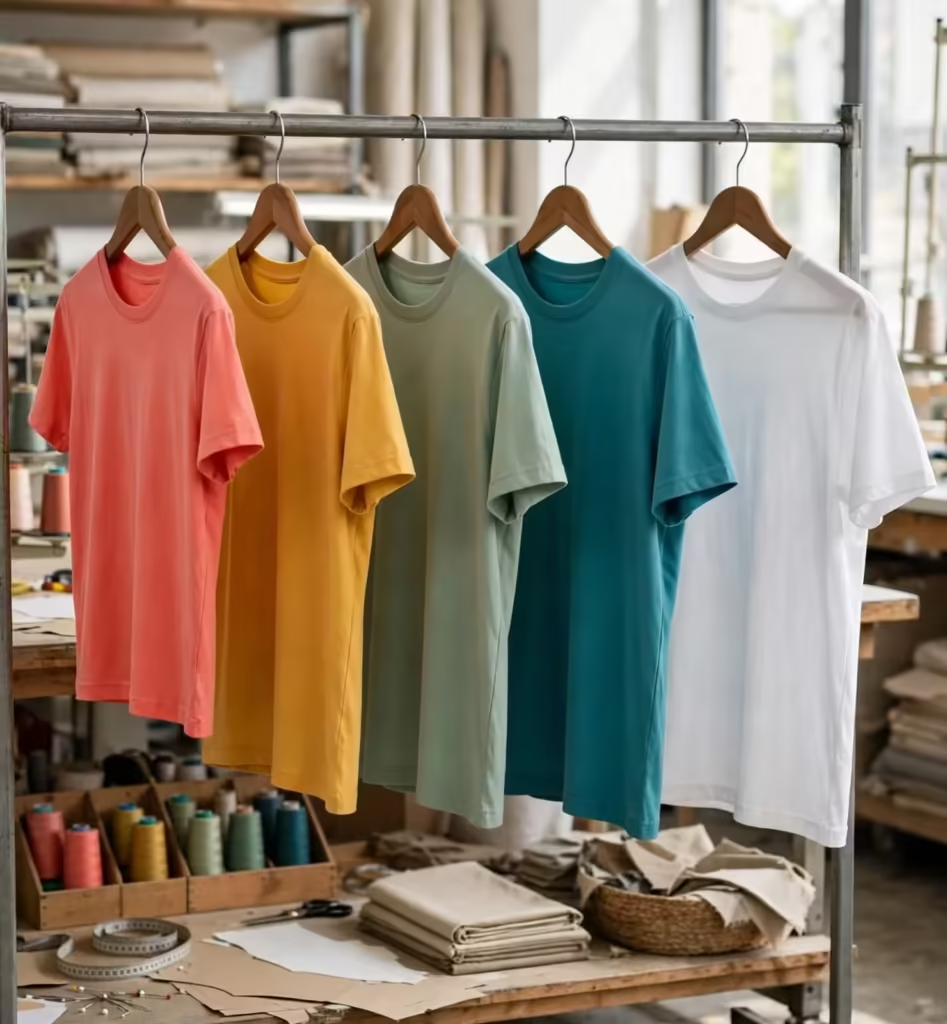
The 3,000 pieces are counted across the order, not per style. A programme can combine several styles, colours, and sizes inside one order - a t-shirt style in four colours alongside a polo in two - as long as each colour of each style meets its own minimum, covered next. That is how most private label clothing programmes actually run, and our MOQ is shaped to fit it.
Order shapes buyers actually use:
- One core style in four colours, with the full size range inside each colour
- Two knitwear styles - say a sweatshirt and a hoodie - sharing one order across their colours
- A private label range built from a plain style, a printed version, and an embroidered version of the same garment
- A seasonal set: t-shirts for the main drop, with a smaller sweatshirt run riding in the same order
2. Inside the Order: 800 Pieces per Colour and Style
Within the order, each colour of each style carries a minimum of 800 pieces. Colour is where the real production steps sit:
- Fabric is dyed or bought per colour.
- Cutting is laid per colour.
- A sewing line changes over per style.
A colour run of a few dozen pieces pays for all of that setup and produces almost nothing - the cost per garment stops making sense for you, not just for us.
Sizes, by contrast, are free inside a colour run. Your 800 pieces of one colour can spread across your full size range in whatever ratio your market needs, because sizes are cut from the same lay and sewn on the same line. When buyers plan a first order, the workable shape is usually fewer colours run properly, rather than many colours run thinly - and our merchandisers will tell you honestly if a colour plan is spreading the order too thin.
3. What Drives the Price of a Garment
A garment price is a sum of visible parts. When two factories quote far apart on the same style, one of these parts is different - and it is worth knowing which. The drivers, in the order they usually weigh on the price:
- Fabric - the type, the weight, and the finish. Fabric is the largest single part of most garment prices, and a heavier or more specialised cloth costs more before a seam is sewn
- Quantity - the same fixed setup spread over more pieces lowers the cost carried by each garment
- Style complexity - more panels, more operations, and more finishing steps mean more minutes on the line
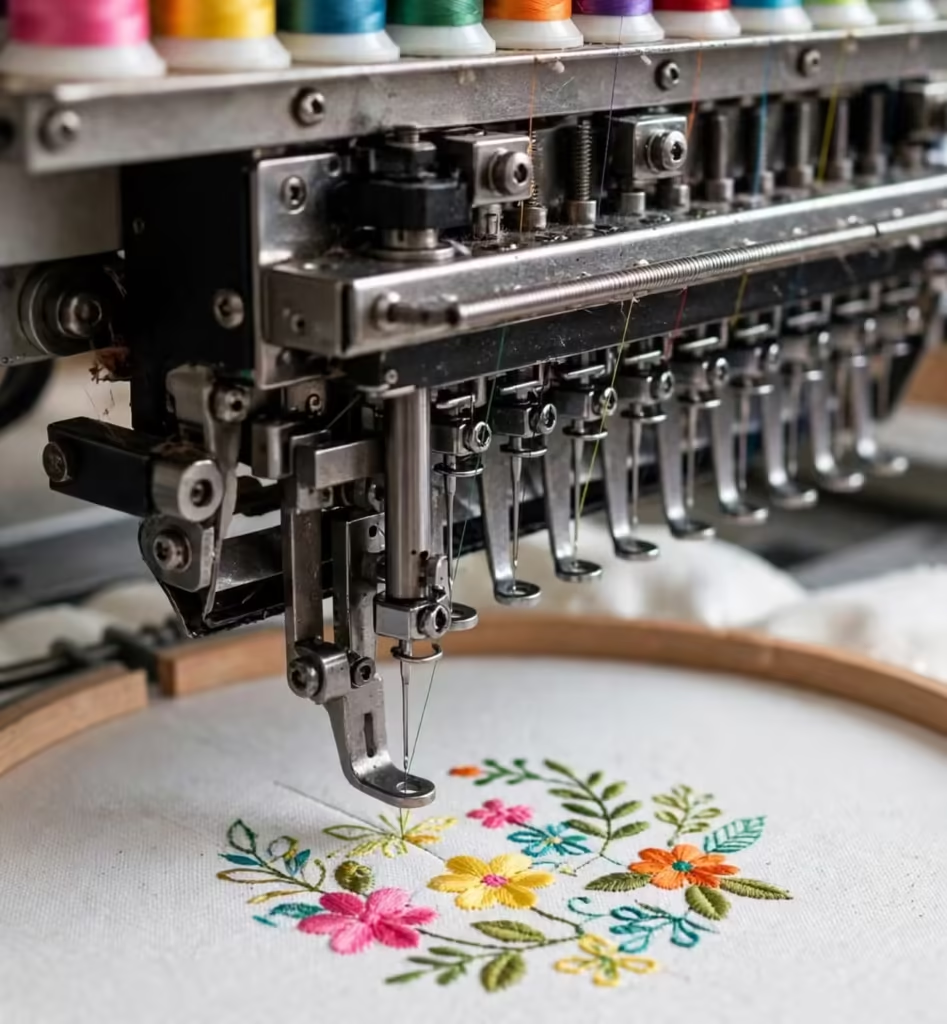
- Decoration - printing, embroidery, or applique adds its own setup and per-piece work
- Trims and branding - your labels, tags, buttons, and packaging, at the quality your programme specifies
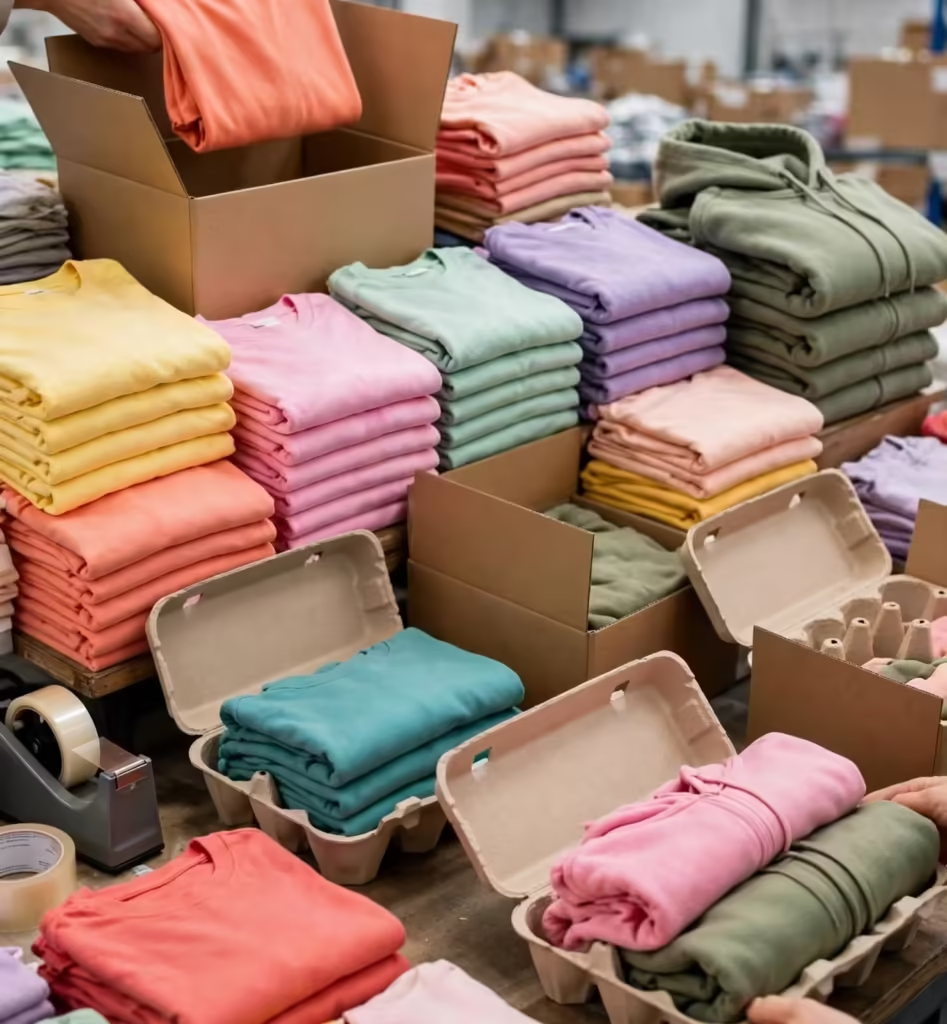
- Packing and destination - how the goods are folded, cartoned, and shipped to your market
This is also why we will not quote a serious price from a photograph alone. A picture does not say what the fabric weighs or how the garment is finished, and a price built on guesses helps nobody. Send the specification - or a sample - and the price we return is one we can stand behind.
Fabric weight alone shows how wide the honest range is. A t-shirt in a light jersey and the same t-shirt in a heavyweight cloth are different garments with different prices, and both can be the right choice - for different markets, seasons, and price points. When we quote, we quote the cloth your specification names, and if a lighter or heavier alternative would serve the programme better, we will show you both prices and say why.
4. How Your Quotation Is Built
Our costing team prices your order from the specification outward:
- Fabric and trims first.
- Then the making of the garment.
- The decoration.
- The packing, with the order prepared for shipment to your market.
The quotation you receive covers the whole order, not a bare making price with the rest to follow - the full order journey it sits inside is described on the how it works page.
If the number needs to come down, the honest levers are in section 3: a different fabric weight, a simpler decoration method, a quantity adjustment, a colour plan that runs deeper instead of wider. We will walk those levers with you openly rather than quietly thinning the garment - a cheaper price achieved by lowering the cloth or the stitching without telling you is not a saving, and it is not how we work.
5. Starting Smaller: First Orders and Trial Runs
Many long-running programmes here began with one careful first order. If 3,000 pieces feels like a large first step, the practical route is to shape the order well rather than shrink it badly:
- One or two styles.
- A tight colour plan.
- Sizes spread inside each colour.
A trial built that way tests everything that matters:
- Fit.
- Fabric.
- Decoration.
- Documents.
- Delivery.
At a scale where the results mean something.
Sampling also lets you commit in stages: the style is developed and approved as samples first, at sample scale, before any bulk quantity is agreed. Our sampling process page shows how that stage works, and our low MOQ programme page sets out how smaller structured orders are handled across the range. A first order shaped this way is not a compromise version of a real order - it is a real order, run through every stage, whose results you can build a programme on.
6. Payment in Brief
Price and payment travel together, so briefly:
- Wire transfer orders run at 40 percent with the order at confirmation and the remaining 60 percent before shipment - or after your pre-shipment inspection, where you ask for one.
- Letter of credit orders run on an irrevocable, transferable credit payable at sight.
The full terms, including how the schedule is set per order, are on the payment terms page.
How MOQ and Pricing Play Out in Our Main Markets
The structure above is the same for every market. What changes is how buyers use it - the patterns below come up again and again in the programmes we run.
Volume Programmes for the USA - Where Quantity Earns Its Price
USA buyers run the deepest programmes: core private label styles repeated season after season. At that scale the quantity driver works fully in the buyer's favour, and the sharpest pricing discussions are usually about fabric - holding a proven cloth and weight steady across repeats keeps both the price and the garment consistent. For USA programmes the MOQ is rarely the constraint; planning the colour depth per style is.
Own-Label Runs for the UK - Mid-Volume, Presentation-Led
UK own-label buyers often run mid-volume programmes where presentation carries real weight: branded labels, tags, and retail-ready packing are a larger share of the price than in plain bulk work. The quotation conversation here tends to focus on the trims and packing lines - what the retail shelf needs, and what it does not - with the per-colour minimum shaping how many colourways a season can sensibly carry.
Seasonal Orders for France - Smaller Runs, Fabric-Led Choices
French buyers frequently run smaller, more seasonal ranges, closer to the minimums on this page. The workable pattern is a disciplined colour plan and fabric choices that carry the range - a well-chosen cloth at the right weight does more for a seasonal line than a long list of colours run thin. Where a first French order needs to test several styles, combining them inside one 3,000-piece order keeps each colour honest.
If you have a style in mind, send it through the get a quote page with your target quantities - we will price it against this structure and show you the levers if the number needs to move.