




Payment Terms for Clothing Buyers Working with Bangladesh Manufacturers
This part of the page covers the working detail: the methods we take, how the timing of each payment is decided, what changes between a first order and an established programme, and the paperwork that keeps every transaction traceable from your bank to your cartons.
1. Payment Methods We Accept for Garment Orders
Bank transfer is the standard route for made-to-order clothing, and the one most of our orders run on: simple, traceable and handled bank to bank, with both sides holding the same record of every movement. For larger orders and longer programmes, payment can run through a letter of credit instead. In brief, the two routes work like this:
- Wire transfer (T/T) - 40 percent is paid with the order at confirmation, and the remaining 60 percent before shipment, or after your pre-shipment inspection where you ask for one.
- Letter of credit - an irrevocable, transferable credit opened with your bank and payable at sight: we manufacture against a committed banking instrument, and payment is released against the documents the credit names.
- Confirmed in writing - which route fits your order is settled at quotation stage, alongside the costing, so the terms you confirm are the terms the order actually runs on.
2. How Your Money Moves Securely Between Countries
Every payment we accept travels through the formal banking system, in full, with no exceptions. There are no informal channels, no cash routes and no third-party accounts: funds land in the company account against a named order, and each receipt is matched to its invoice and its order file before it is booked. When a transfer arrives, we confirm it to you, so your finance team is never left wondering whether the money has landed.
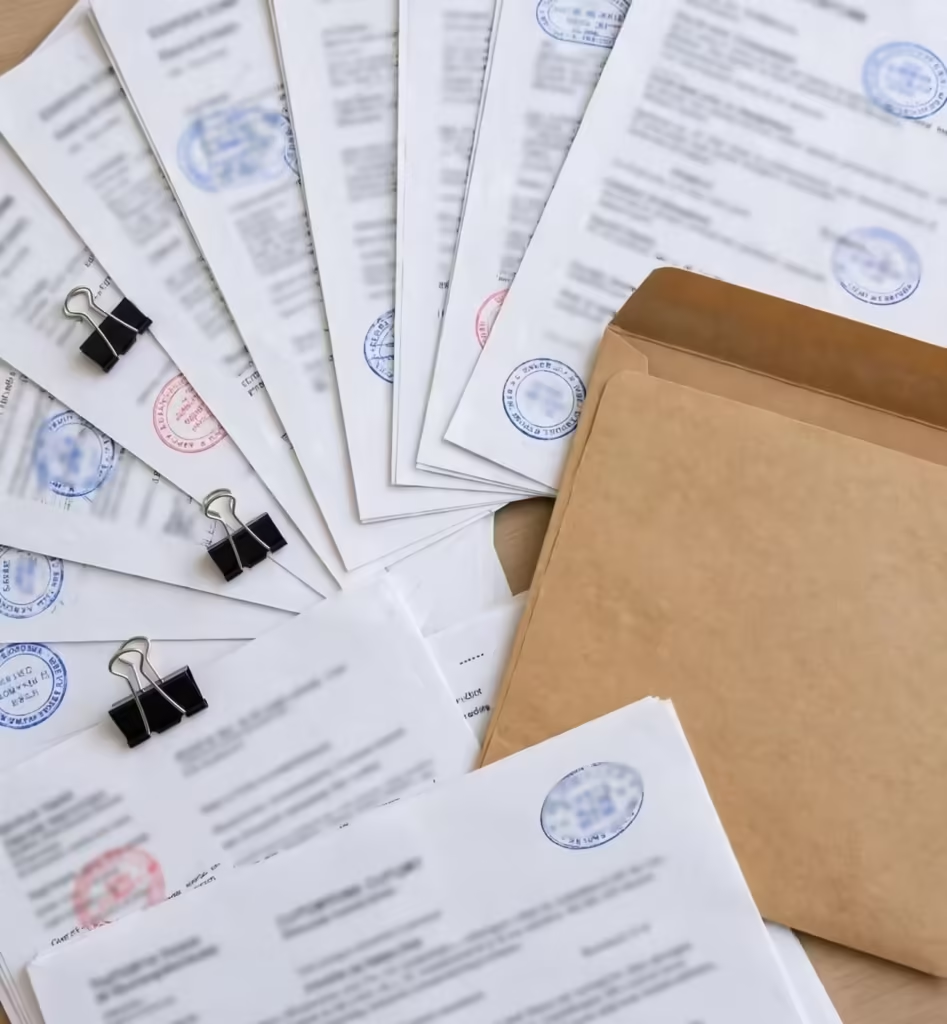
The paperwork behind the money is held to the same standard. Invoices, packing lists and shipment documents are prepared to agree with each other, which is what keeps a letter of credit presentation or a documentary collection moving without the small mismatches that hold payments up. The merchandiser running your production also tracks your payment position, so any question is answered from the whole file.
3. How the Payment Schedule Is Set for Your Order
A schedule is built around the real cost points of your order, not copied from a standard sheet. The factors it weighs are practical:
- Order quantity - our programmes start at 3,000 pieces per order, from 800 pieces per colour and style.
- Fabric purchase and dyeing - fabric and trims bought in before cutting, and dyed first where the order's colours need it.
- Style development work - the patterns, samples and approvals each style needs before bulk production can start.
- Production lead time - the time the order carries on the factory floor, including a pre-shipment inspection stage where you ask for one, since the balance falls due after it.
Our costing team weighs those points and proposes a schedule whose stages match them. The agreed schedule, and what triggers each stage, is then confirmed in writing at order confirmation, before any fabric is committed. If the order changes later, with a style added or a quantity moved, the schedule is revisited and re-agreed in writing as well. It is never carried forward silently on old assumptions. That written schedule protects both of us: you know exactly what each stage releases and when, and we know the order's funding keeps pace with the work on the factory floor.
4. Payment Terms for New Buyer Relationships
A first order is where a working record begins, and we structure it so both sides can build one safely. A first order runs on:
- Clear milestones - each stage confirmed before the next one begins.
- Tighter document checking - while the working record between us is still new.
- Terms stated in full - before any money moves, not after.
Development samples and trial work follow the same discipline, simply at a smaller scale.
Nothing about a first order is improvised: payment terms for private label clothing brands importing from Bangladesh, and for every other first-time buyer, are stated before any money moves, and one named contact stays with your file from the first inquiry to the final document. Once the first programmes have completed cleanly, later orders move towards the simpler arrangements in the next section, because both sides are then working from a record instead of caution.
5. Payment Terms for Long-Term Programme Buyers
Repeat and seasonal buyers earn smoother terms through performance: orders delivered on time, documents presented clean, communication steady on both sides. As that record builds, long-term buyers move to simpler arrangements:
- Fewer milestones - the payment rhythm follows the production rhythm across a whole season.
- One running arrangement across styles - instead of terms rebuilt order by order.
- A short terms review at each season's start - so the shape always matches the programme as it stands.
That seasonal rhythm is how our full-package knitwear programmes prefer to run.
A buyer who started carefully and now runs several styles a season should not still be working under the shape agreed for the very first order. Terms should describe the relationship as it stands today - that is all the review is for.
6. Transparency and Documentation on Every Transaction
Every transaction is documented as it happens, and the document set behind each order is the same:
- Commercial invoice - matched line by line to the order file.
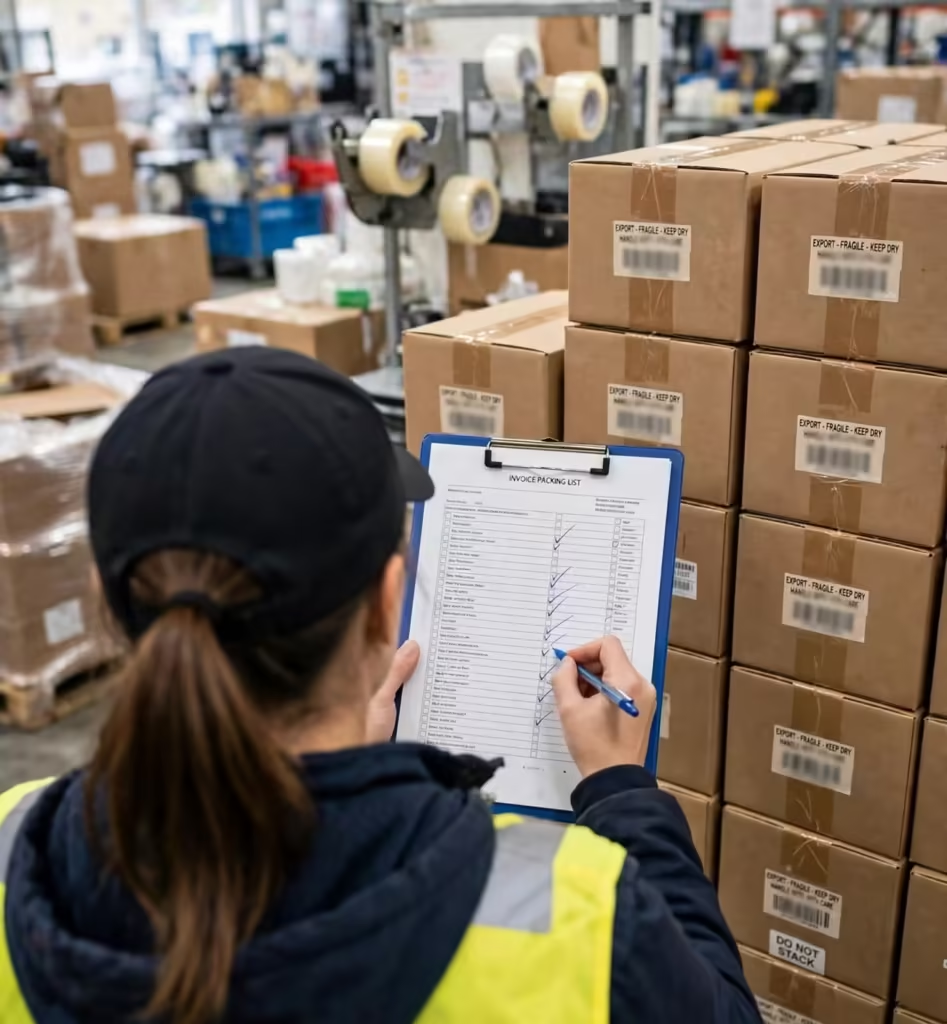
- Packing list - matched to the cartons as they are sealed.
- Bank advice - issued for every movement of funds.
- Shipment documents - the full set prepared to the order's terms and checked before the goods sail.
If a figure is ever queried by your bank or your auditors, it is answered from the underlying records, and any discrepancy is investigated straight away and corrected on paper, not explained away in conversation.
The records stay in your order file for as long as you need them: a copy invoice from a past season, the document set behind a shipment query, the payment history behind a programme review. Ask for anything from the file and it comes back from one place, complete. Clean books on both sides are the quiet foundation under every long buying relationship in this trade.
Payment Terms for Clothing Importers in the USA, UK, Germany and Australia
Importers in our main markets meet slightly different banking habits and document expectations. The three points below are the ones that come up most often when terms are confirmed for buyers in these markets, whether the order behind them is a private label clothing programme, a run of custom garment orders or a seasonal knitwear range.
Banking Documents and Shipment Documents Working Together
Under a letter of credit, the bank pays against documents rather than against goods, so the document set is the payment. That set is:
- Bill of lading - for the shipment as it actually sails.
- Commercial invoice - matching the credit's wording exactly.
- Packing list - agreeing with the cartons and the invoice.
- Any certificates the credit calls for - prepared to the same wording.
Our export desk builds the set to the wording of the credit and checks it before the goods sail.
If a draft credit reaches us with wording that clashes with how garments are actually packed or shipped, we raise it with you before production, while the wording can still be put right. Under transfer terms the same discipline applies in a lighter form: the documents travel with the shipment, and copies reach your office or your broker in time for clearance.
Currency and Banking Practicalities
Garment orders are priced and settled in the major trading currencies. The US dollar and the euro cover most programmes, with pounds sterling used for some UK buyers.
- Settled in USD, EUR or GBP - whichever of the three your programme runs on.
- Fixed at confirmation - your order's currency is set on the order confirmation, together with the terms, so neither side is re-pricing the order while production is running.
Before the first transfer we will also confirm the full account name and bank details in writing from our office email, so your payments team can set us up as a beneficiary and check the details against a known source rather than a forwarded message. Each side normally carries its own bank's charges, and quoting your order number as the payment reference on every transfer keeps receipts matched to files without detective work at either end. Where your bank needs a document before it will release a payment, tell us at confirmation stage and we build that document into the schedule from the start.
One Contact for the Money and the Goods
Your merchandiser holds both sides of the file, the production side and the payment side, which removes the commonest friction in apparel buying: finance talking to one office and production to another, with the buyer relaying messages between them. A document needed by a certain date, a shipment stage tied to a payment stage - one conversation covers it, with the full order file open on the desk. It also means a payment question is never answered in the abstract: it is answered against the actual state of your garments, from cutting through to the final carton count.
For importers working several time zones away from Dhaka, questions are answered in writing against the record, so your team picks the answer up inside your own working hours and keeps it on file. The money and the garments move on one thread, and nothing about either is left sitting in someone else's inbox.