
Children's Garment Production Where Safety Comes First
Every factory says its children's wear is safe. The useful question is what is actually done, garment by garment, before a carton is sealed. On this page the answer is set out in the open: trims and components agreed with the buyer at sampling against the destination market's rules, fabrics chosen for skin that cannot complain, size sets measured before bulk, and a needle detection pass on every finished piece. The sections below cover the styles, fabrics, safety routine and sizing that make up the family.
1. The Kids and Baby Styles We Make
The range covers school age down to newborn:
- Children wear - everyday tees, tops and knit sets for boys and girls.
- Girls polo shirts - school and casual polos in pique knit.
- School sweaters - uniform knitwear in school colours, with badges embroidered where the school requires them.
- Kids softshell jackets - light outer layers for school and outdoor wear.
- Baby knitwear - bodysuits, rompers and two-piece sets in soft interlock and single jersey.
Children's programmes often run beside an adult range for the same brand - matching family styles are common - and when they do, the children's order is produced under the stricter rules of the two, not the looser ones.
Baby styles carry their own construction habits: envelope and popper openings placed so a garment can be changed on a sleeping baby, seams finished flat and soft, and necklines that stretch without strain. None of that is visible in a catalogue photograph, and all of it is what a parent's hands judge in the first week. Those details are built into the sample, commented on by the buyer, and only then written into the bulk specification.
2. Fabrics for Young Skin
Baby and children's garments sit against skin all day, so fabric choice starts with hand-feel and finish rather than price. Soft single jersey and interlock in high cotton content carry most baby styles; children's tees and polos run in cotton and cotton blends chosen to survive playground washing without going harsh.
Buyers frequently ask for fabrics tested to recognised textile safety standards, and the best known is OEKO-TEX Standard 100, which tests finished textiles for substances harmful to skin, with its strictest class written for baby products. Where a programme calls for certified fabric, the requirement is settled at sourcing stage - it cannot be retrofitted once cloth is bought - and our fabric sourcing team works to the buyer's stated standard. Prints on baby garments are agreed the same way, with the print method and its hand-feel approved on a real sample garment.
3. Safety Checking: Needles, Small Parts and Cords
Three checks run on every children's order, and they are routine rather than optional:
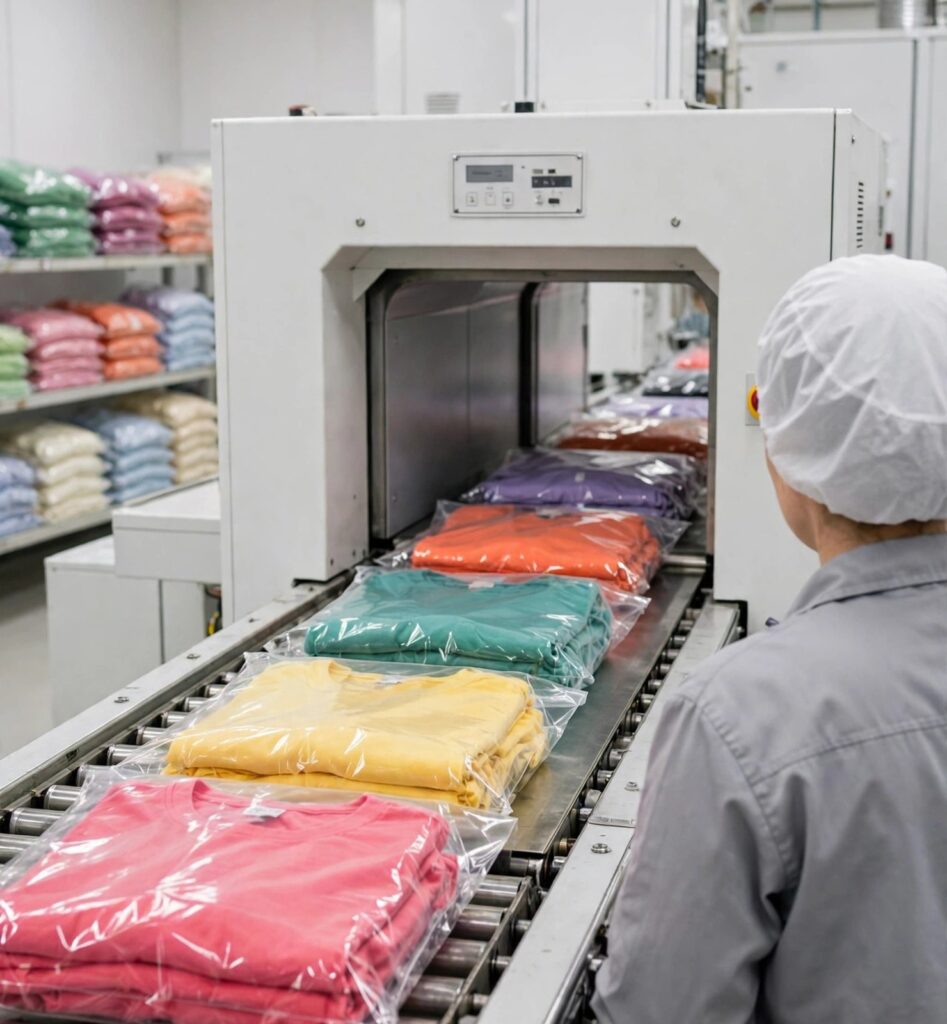
- Needle detection - every finished garment passes through the needle detector before packing, without exception. A broken needle fragment in a child's garment is the single most serious fault this industry knows, and the pass is recorded per order.
- Small parts - buttons, snaps and applied trims are checked for firm attachment, and trim choices themselves are reviewed at sampling: what is suitable for a ten year old is not automatically suitable for a toddler.
- Cords and drawstrings - hood and waist cords are made to the rule of the destination market, which differs between markets and between age groups; the buyer's market rule is confirmed in writing at sampling and sewn to accordingly.
The principle behind all three is that safety decisions are made once, at sampling, in writing - never left to habit on the production line. Where a design detail conflicts with the destination market's rule, we raise it at that stage and agree the workable version with the buyer before a single bulk garment exists.
4. Sizing Children: Age Runs and Growth Room
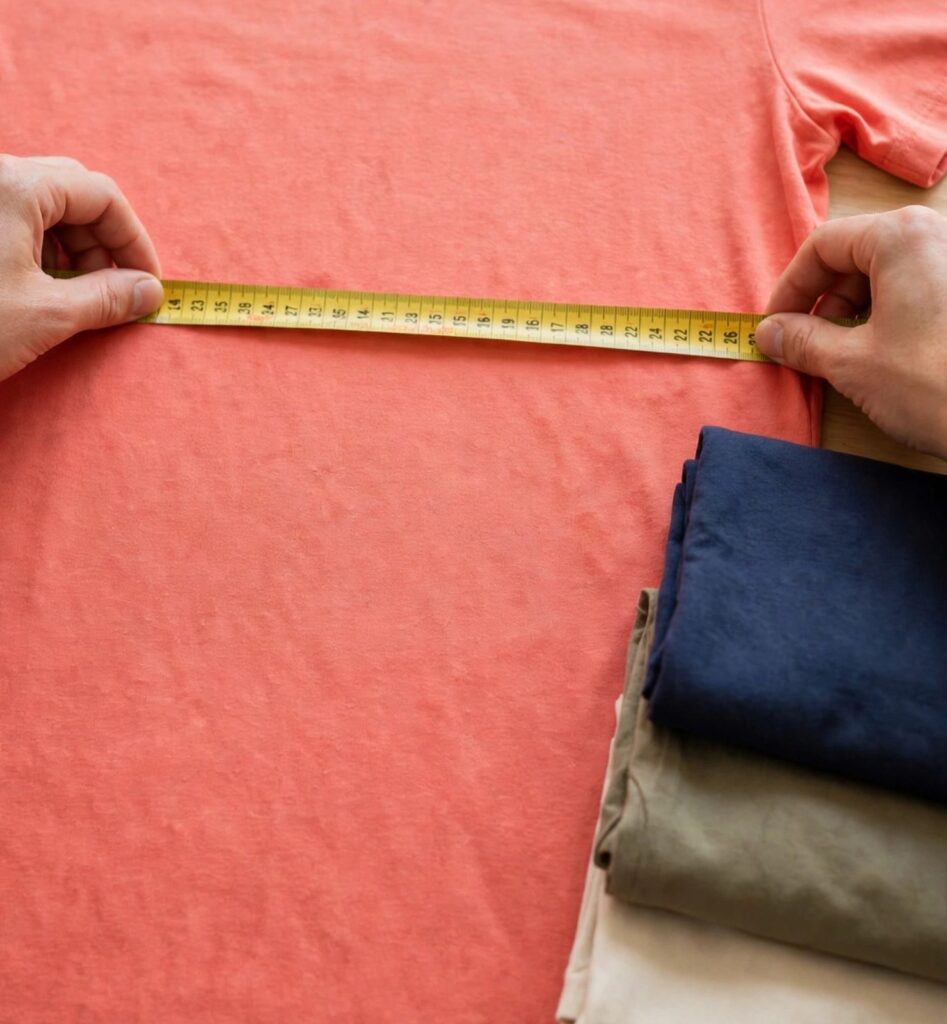
Children's sizing is its own discipline. Sizes are sold by age or height depending on the market, children grow through a size in months, and parents judge a brand by whether the garment still fits after half a year of washing. Size sets are sampled across the full age run before bulk - not just the middle size - and grading is checked so the smallest sizes keep their proportions instead of becoming shrunken adult garments.
Shrinkage control matters more here than anywhere: a baby garment that loses length in the first wash is a returned garment. Fabric shrinkage is tested before cutting and the pattern allowance set from the result, the same routine described on our main quality control page. Fit notes from each programme stay on file, so a brand's age grading stays consistent as the range grows with its customers.
Size labelling needs the same care as the sizing itself. Markets label children's sizes differently - by age, by height, or by weight at the baby end - and a wrong label on a right garment is still a returned garment. The labelling format for the destination market is confirmed on the order file and checked against the packed stock, size by size, before cartons close.
5. Packing and Presentation for Children's Retail
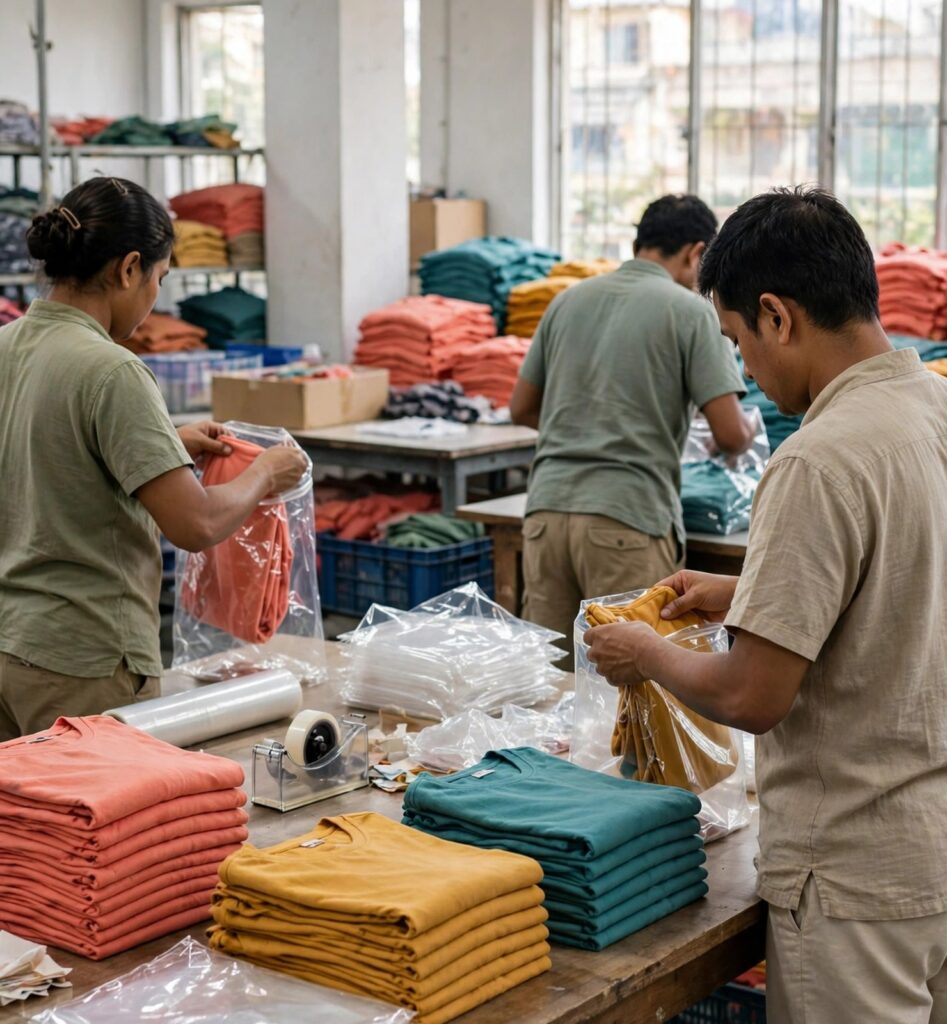
Children's garments are bought by adults, often as gifts, so presentation carries weight: soft folding, clean polybagging and clear size identification on the pack. Where the buyer's market requires warning wording on packaging, it is applied exactly as the buyer supplies it. Sets - top and bottom sold together - are packed as sets from the line, with sizes matched before the bag is sealed, so no retailer opens a carton to find a size run broken between pieces.
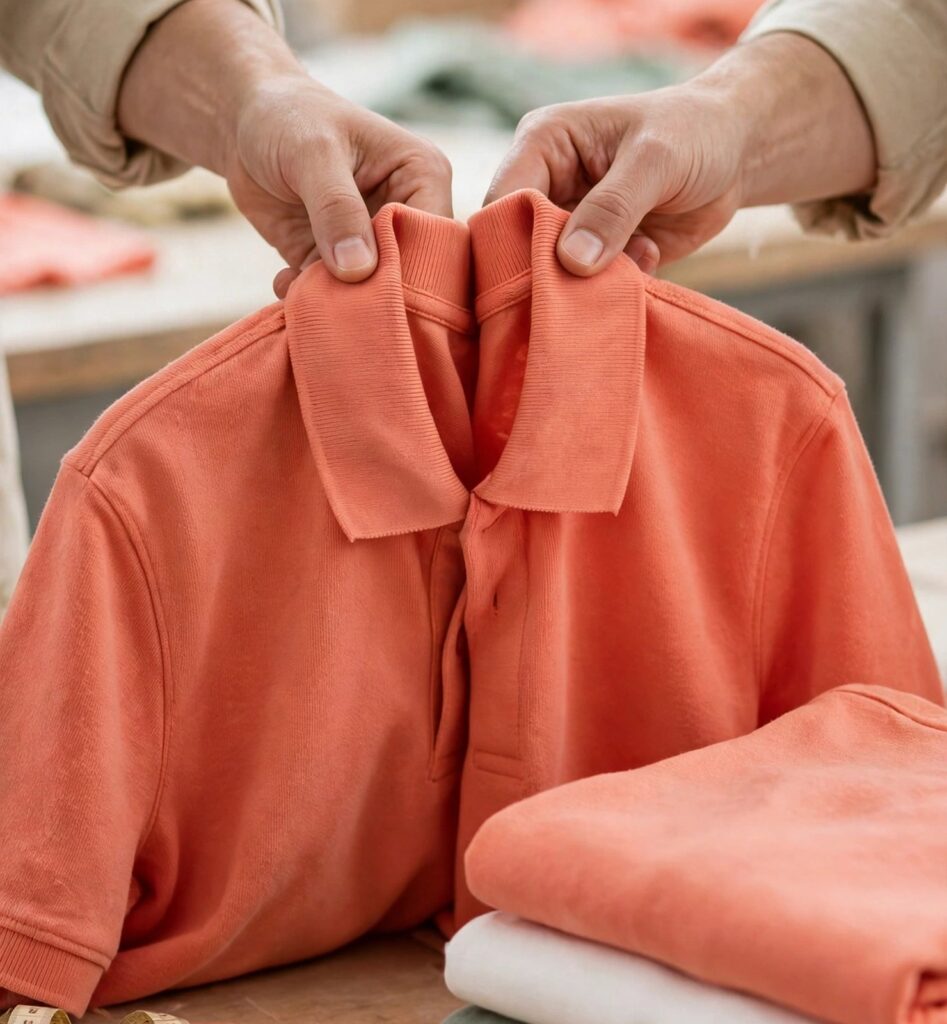
The finishing table gives children's garments one last adult reading before any of that: threads trimmed so nothing tickles or tangles, fastenings worked open and closed, prints checked for cracking when the fabric is stretched. It is unhurried work by the standards of a production line, and it is deliberately so - this is the family where a small fault has the largest audience.
6. Order Quantities for Kids and Baby Programmes
Programme quantities are agreed per colour and style with our team, because the workable minimum depends on the fabric and the operations each garment needs. Children's ranges naturally split into many sizes, and sizes do not count against the style quantity - the agreed quantity for a colour and style spreads across its whole age run, which is what makes a full children's range practical for smaller brands. Payment runs on the house terms: 40 percent by wire transfer with the order and 60 percent before shipment, or an irrevocable, transferable letter of credit payable at sight, confirmed in writing before production begins.
Markets We Ship Kids and Baby Wear To
Children's clothing rules and buying habits differ by market more than in any other family. These are the patterns behind most of our children's programmes.
Kids and Baby Ranges for USA Brands
USA brands run coordinated children's ranges - matching sets, seasonal prints and baby basics in multi-packs - with safety documentation expected as a matter of course. Programmes usually pair baby knitwear with toddler styles so the brand keeps the customer as the child grows. Labelling and testing requirements for this market are agreed in detail at sampling, because the documentation a US children's programme needs is part of the order, not paperwork added afterwards.
School and Children's Wear for UK Buyers
UK buyers bring the school market with them: uniform polos, sweaters and everyday children's basics bought by parents on price and durability. Back-to-school timing drives the calendar, and orders are planned backwards from the summer selling window.
Children's Orders for German Retail Buyers
German buyers are the most fabric-focused in this family: composition, skin-friendliness and certification questions are settled in writing before sampling starts. That suits the way children's orders run here, where fabric and trim decisions are documented on the style file from day one.
Kids Wear Programmes for Canadian Importers
Canadian importers order across the full age spread, with warmer layers - sweaters, fleece and softshell - taking a bigger share than in warmer markets. Size runs follow the North American age pattern, and programmes repeat seasonally on the retained grading file.
Baby and Children's Ranges for French Buyers
French buyers take the design-led end of children's wear: baby sets and girls ranges where fabric softness and detailing decide the order. Smaller, more considered runs are common, combined across styles and age groups to reach the programme total.
Children's Wear for UAE Retail Buyers
UAE retailers buy children's wear as bright, giftable retail ranges: light fabrics for the climate, strong colour stories, and sets packed ready for the shelf. School wear for the large expatriate school market sits inside the same programmes.