Keeping Your Designs Safe When You Order Clothing from Bangladesh
Every garment starts as information: a sketch, a tech pack, a set of measurements, a label file, a target price. Long before the first sample is sewn, a buyer has to hand that information to a factory on the other side of the world and trust that it goes no further. A non-disclosure agreement is how that trust is put in writing. At Siatex Bangladesh we sign NDAs with clothing buyers as a normal part of starting work together, and this page explains what ours covers, how signing works, and how your files and samples are treated inside the factory once they reach us.
1. Why Buyers Ask for an NDA Before Sending a Tech Pack
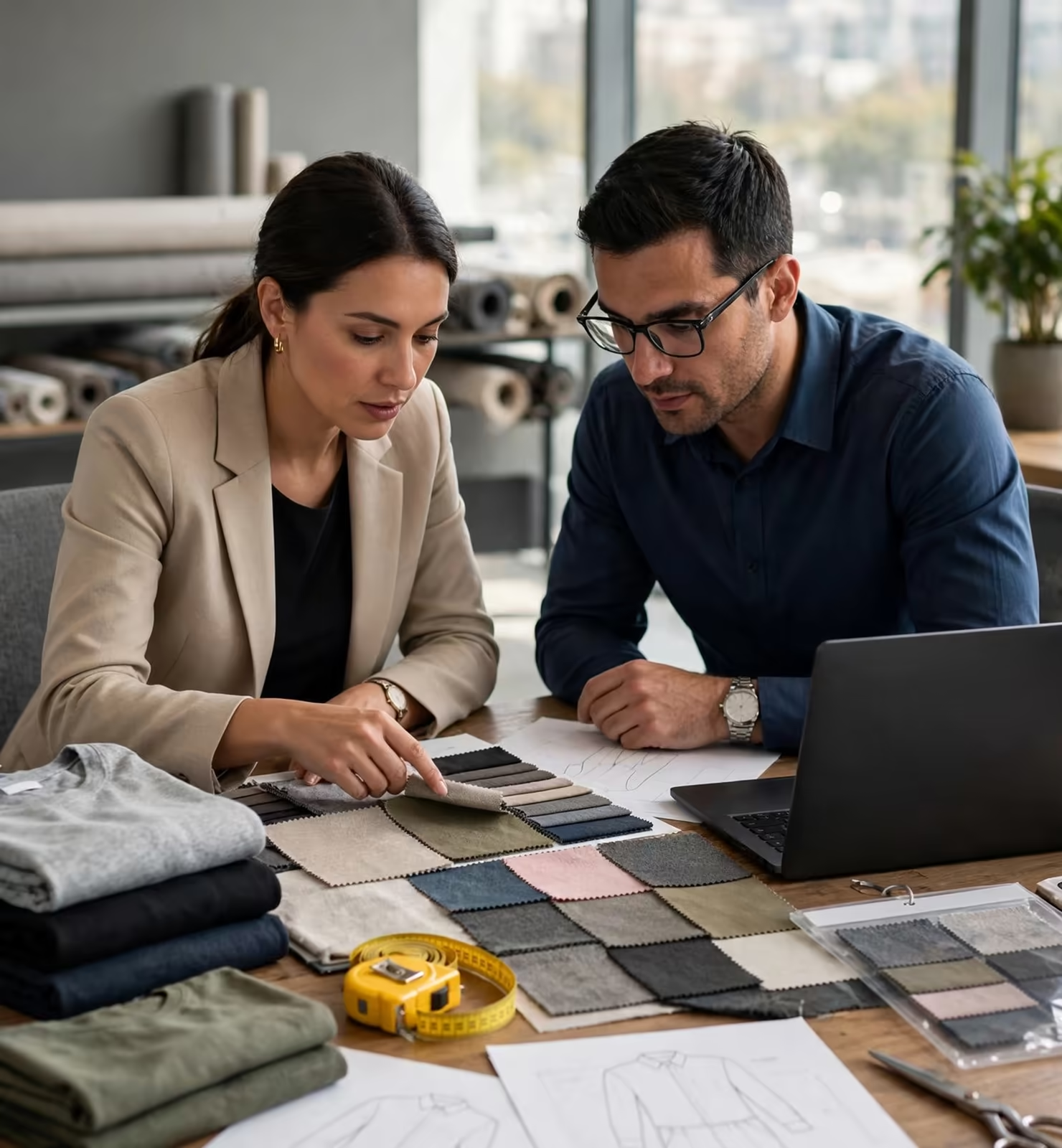
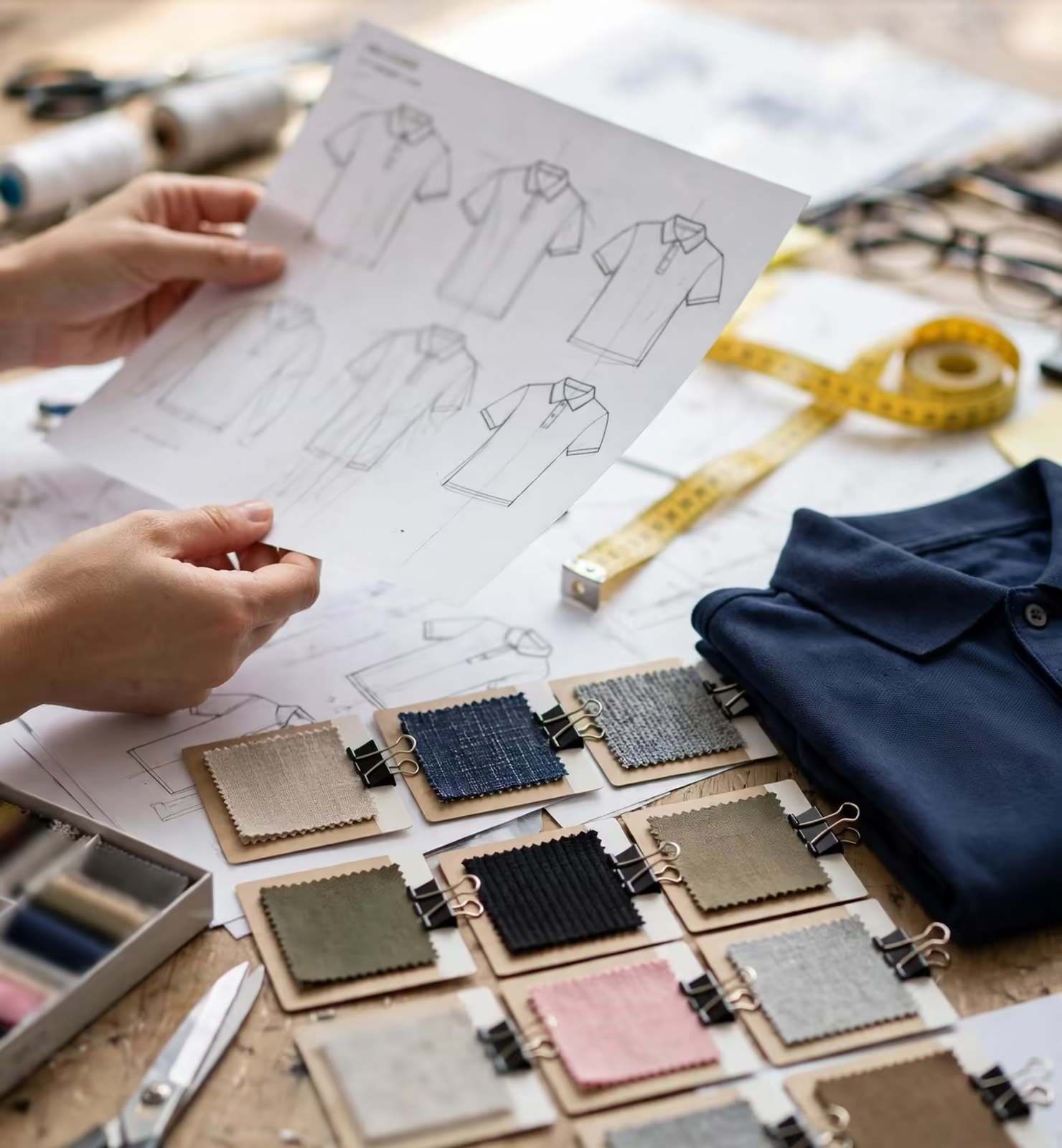
A design that sells is worth money, and in the garment trade it can travel fast. A tech pack holds everything a competitor would need to copy a style: the construction, the measurements, the fabric, the trims, even the label artwork. Buyers who have had a design appear in another seller's range, or who simply run a careful business, ask for an NDA before the first file changes hands. It is a reasonable request, and we treat it that way.
It is not only the large importers who ask. A small label with one strong design has the most to lose if that design is copied, because the design may be most of the business. At the other end, an established buyer's compliance team often cannot release files at all until an agreement is on record. Either way, the conversation is a short one, and it is better held at the start than after samples are already moving.
The agreement does two practical things. It sets down, in plain terms, what counts as your confidential information, and it commits the factory to use that information only for your work - not for our own range, not for another buyer, not for showing around. Buyers usually want protection for:
- Original designs, sketches and style ideas not yet on the market
- Tech packs, patterns and measurement charts
- Label, logo and artwork files for private label programmes
- Prices, costings and the commercial terms of an order
- Launch plans, seasons and the markets a range is made for
2. What Our Non-Disclosure Agreement Covers
Our standard agreement is a mutual NDA: it protects your information, and it also protects ours, such as our costings and production methods. That balance is normal in this trade and it keeps both sides careful. The areas it covers, in plain language, are:
- Designs and tech packs. Every file you send for sampling or production is treated as yours. It is used to make your garments and for nothing else.
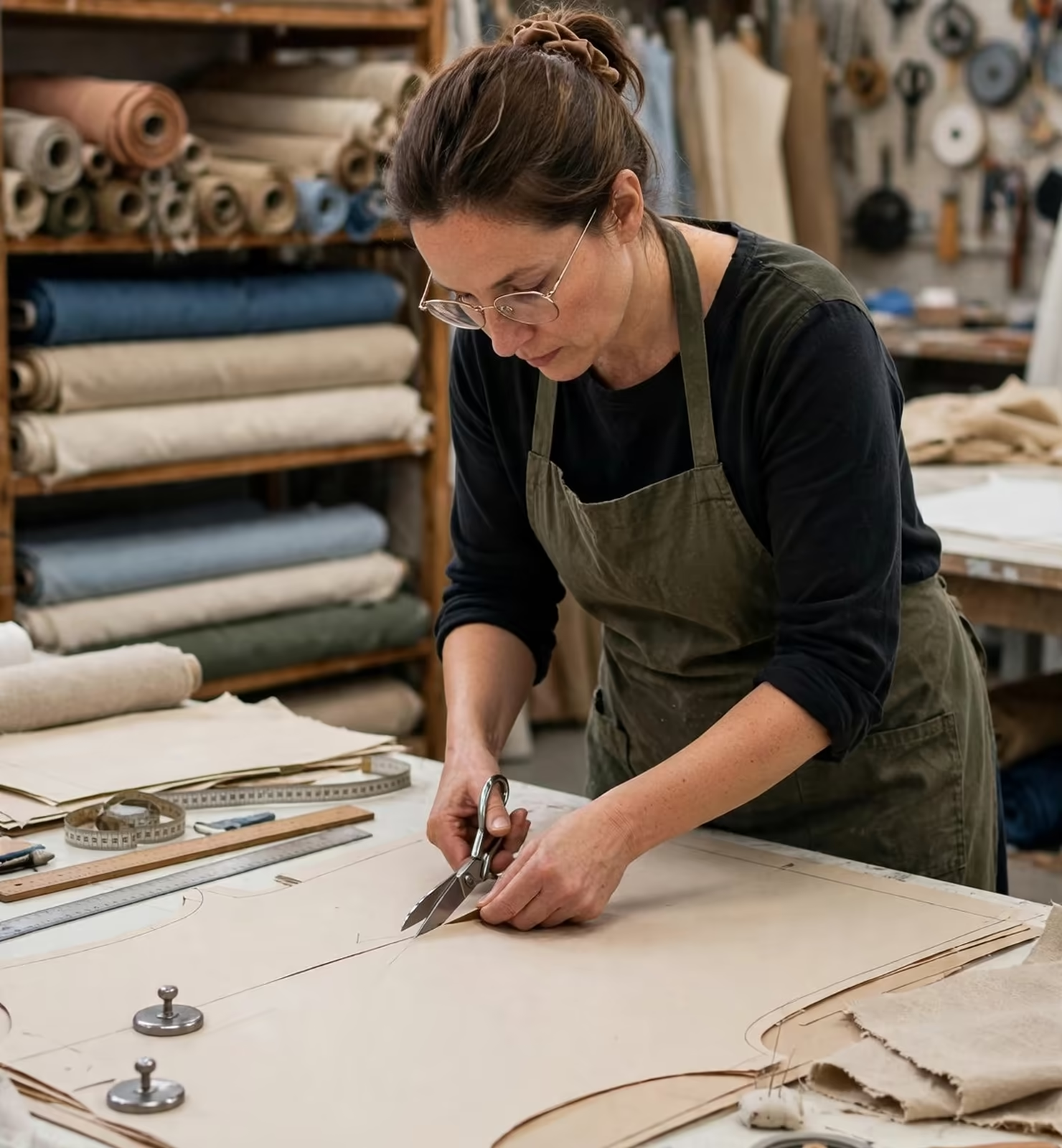
- Patterns and samples. Patterns cut from your tech pack and samples sewn from them stay tied to your file. They are not offered to other buyers and not added to any house range.
- Labels and artwork. Your brand files, woven labels, hang tags and print artwork are produced only in the quantities your orders need.
- Commercial details. Prices we quote you, the sizes of your orders and your delivery plans are not discussed with anyone outside the team working on them.
- Your identity. We do not name our buyers or use their styles in our marketing without permission. The ranges on this website are our own presentation samples, not customer work.
The commitment is not limited to the length of one order. Confidential information stays confidential after the order ships, for the period the agreement sets out, because a design can still be selling long after the cartons leave Dhaka.
3. How Signing the NDA Works
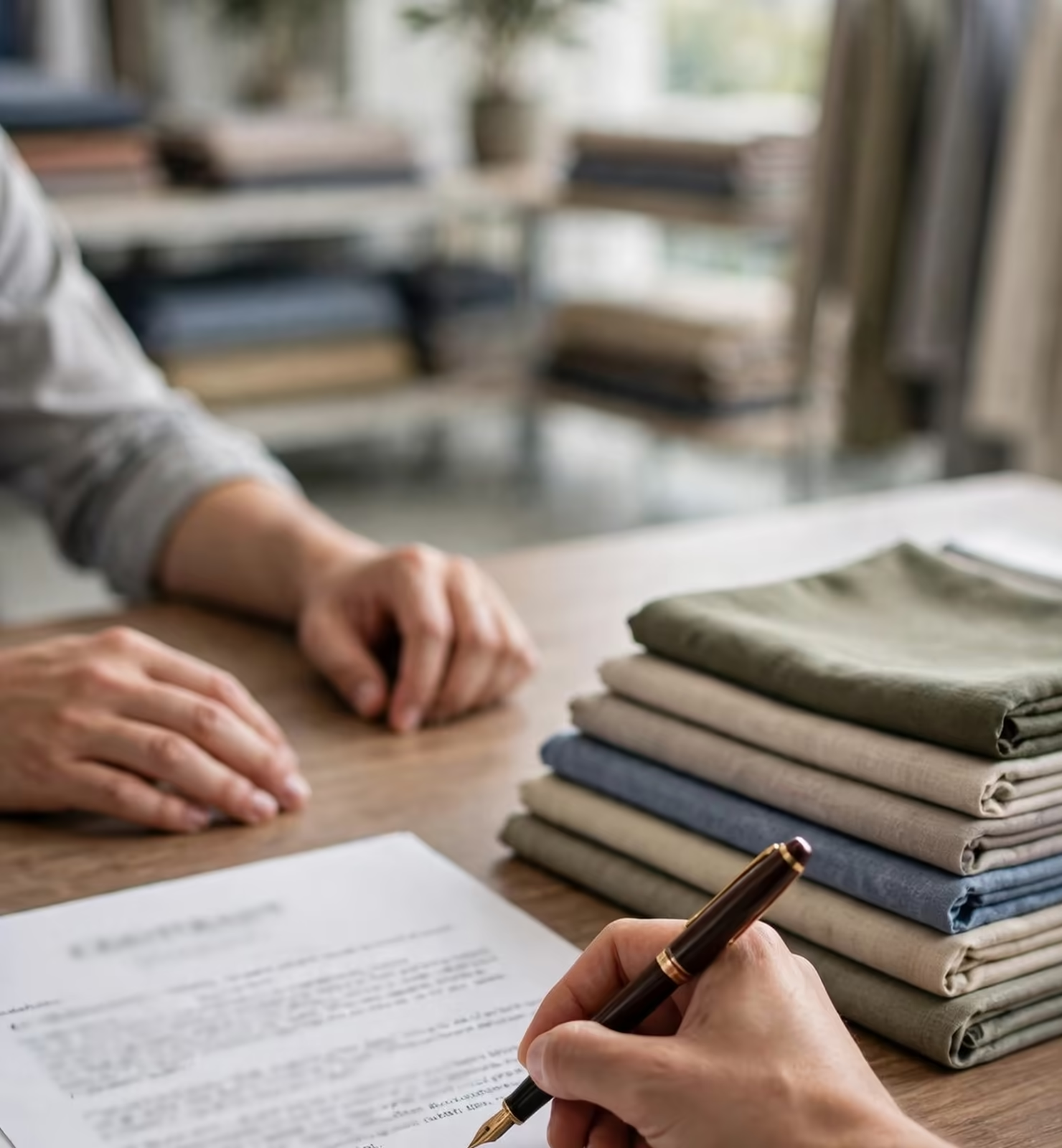
There is no ceremony to it, and it should never slow a programme down. Signing usually runs alongside the first sampling discussion:
- Ask for the NDA at any point - before you send a tech pack is the usual moment, and the safest one.
- We send our standard agreement as a PDF, or you send your own draft. Many established buyers have a house NDA, and we are used to reviewing and signing those.
- Both sides sign - on our side, a person authorised to commit the company - and each side keeps a copy.
- From that point your files move under the agreement, through sampling, production and any reorders.
If your draft needs a change before we can sign it, we will say so plainly and quickly rather than let it sit. The goal is a document both sides understand, in force before real information starts to move.
4. How Your Files and Samples Are Handled Day to Day
An agreement on paper only works if the daily habits behind it are sound. Inside the factory, confidentiality is mostly a matter of who sees what:
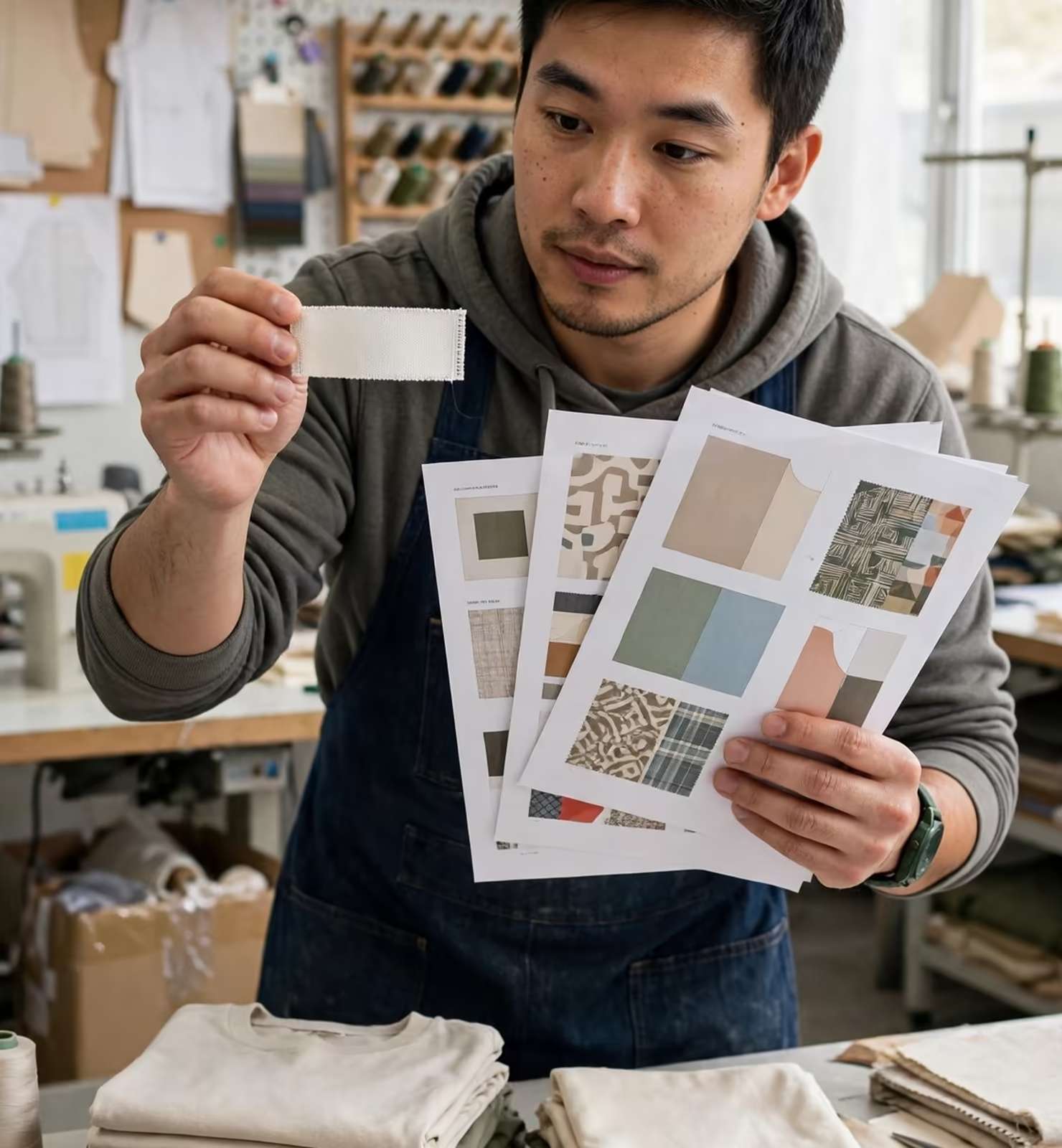
- Your file is held by the merchandiser running your programme. Tech packs and costings are not left open on shared desks or passed around the office.
- The pattern master and the sample hands see the styles they are making - that is their job - and styles from one buyer's file are not shown to another buyer's visitors.
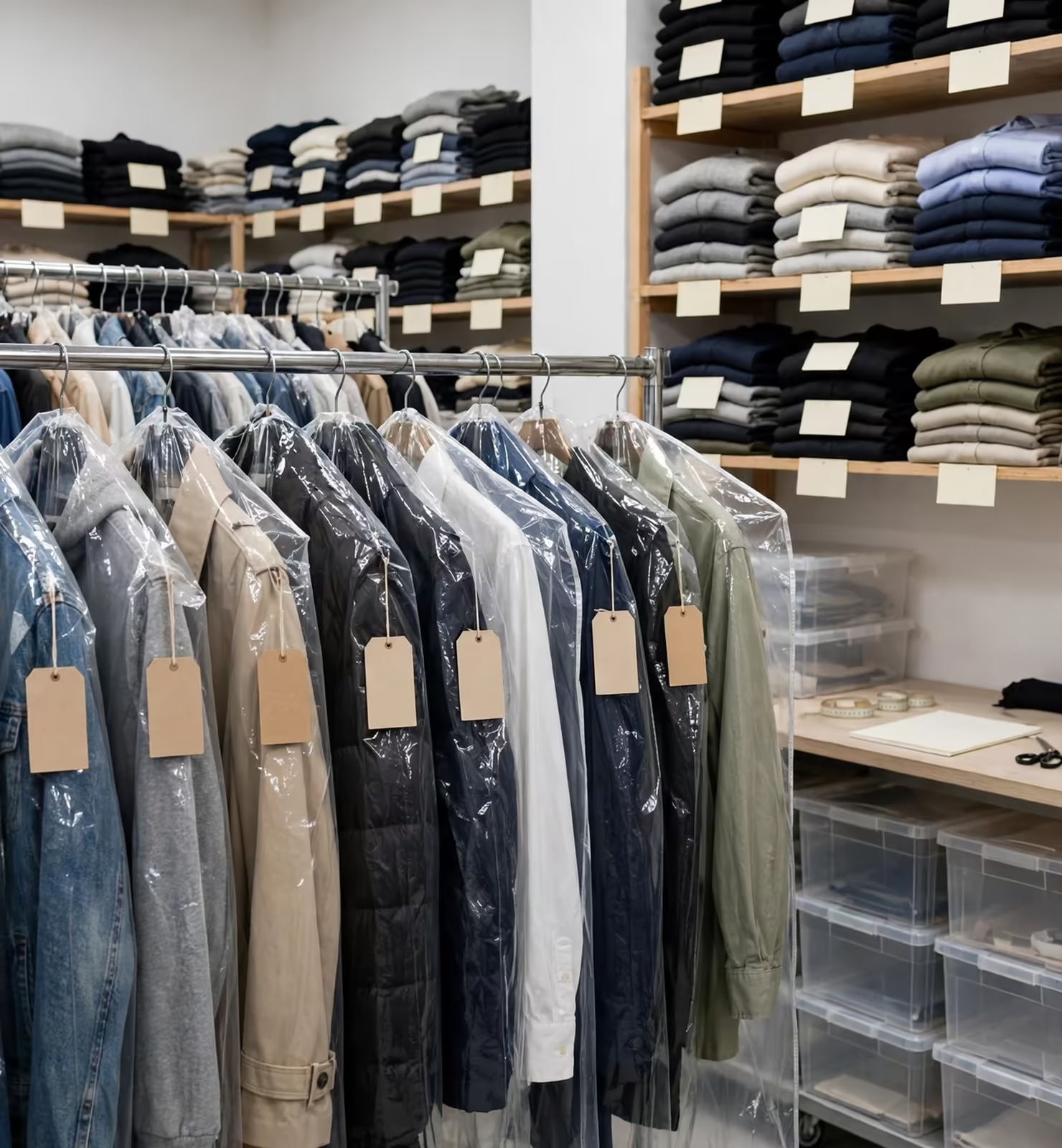
- Samples are tagged with your style references and stored in the sample room, not displayed. Our showroom and this website carry presentation samples made for display.
- Where a style needs outside work, such as a print or embroidery house, that partner receives the panel or artwork for their task only, under the same expectation of confidence.
- Photos of your production are taken for your own progress reports. They are sent to you, not posted.
Digital files get the same care as paper ones. Tech packs and artwork arrive by email and are kept in the order file under your style references, so a file can be traced to its programme. When a style is finished and the file is closed, the artwork and patterns stay with the closed file - they are not copied into any shared library of designs, because they were never ours to keep that way.
5. Patterns and Samples After the Order
When production finishes, most buyers want their patterns kept: a reorder in the same style is far quicker when the pattern, the approved sample and the measurement chart are already on file. We hold them against your name for that reason. If you would rather they were returned or destroyed, say so and we will do it and confirm it in writing.
The same applies to leftover labels and trims carrying your brand. They are held for your next order, used only for your work, and disposed of if you ask. Nothing with your name on it leaves the factory on somebody else's garment.
6. What an NDA Does Not Cover
Honesty about the limits matters as much as the promise itself. A standard NDA does not cover information that is already public, that the factory already knew, or that a court or a government authority orders to be disclosed. It also cannot undo a disclosure that happened before it was signed - which is exactly why we suggest signing before the first tech pack is sent, not after. And an NDA protects information, not general skill: the sewing knowledge our lines use on your order is the same knowledge they use on every order, and no agreement tries to fence that in.
Confidential Orders in the Markets We Ship To
United States: Private Label Ranges Built in Confidence
USA buyers building private label ranges are the most frequent users of our NDA. A label that exists only in their stores cannot afford to surface anywhere else first, so agreements are usually signed at the sampling stage, before artwork files move. Our standard draft works for most, and larger importers often send their own vendor agreement with an NDA inside it - we review those as part of onboarding.
United Kingdom: Seasonal Ranges Under Wraps
UK buyers tend to sign around the seasonal calendar: a range is confidential until it reaches the shop floor, and a leaked style can spoil a launch. We keep pre-production samples out of the showroom and treat look books and range plans as part of the confidential file, alongside the tech packs themselves.
Germany: Documentation Kept in Order
German buyers are careful record keepers, and the NDA is usually one document in a tidy set: agreement, tech pack, testing requirements, delivery terms. We match that habit - signed copies are filed with the order paperwork, so what was agreed can be found quickly if a question comes up a season later.
If you are planning a range and want the paperwork in place first, ask for the NDA when you request a quote, or read how private label programmes run on our Private Label and OEM page. Your designs stay yours - we are here to make them, not to use them.